

Rural Roadwater Rescue (RRR): Pioneering sustainable road infrastructure
In the changing landscape of environmental challenges, roads and highways are key elements in addressing local and regional climate change issues. The Rural Roadwater Rescue (RRR) project illustrated this potential, transforming the way we think about road and highway design.
The project aimed to use these infrastructures for rainwater collection during wet periods, subsequently repurposing the water in adjacent areas during droughts. The project harmonizes with Rijkswaterstaat’s aim to focus on climate adaptation and advance towards the sustainable goals set for 2030 and 2050.
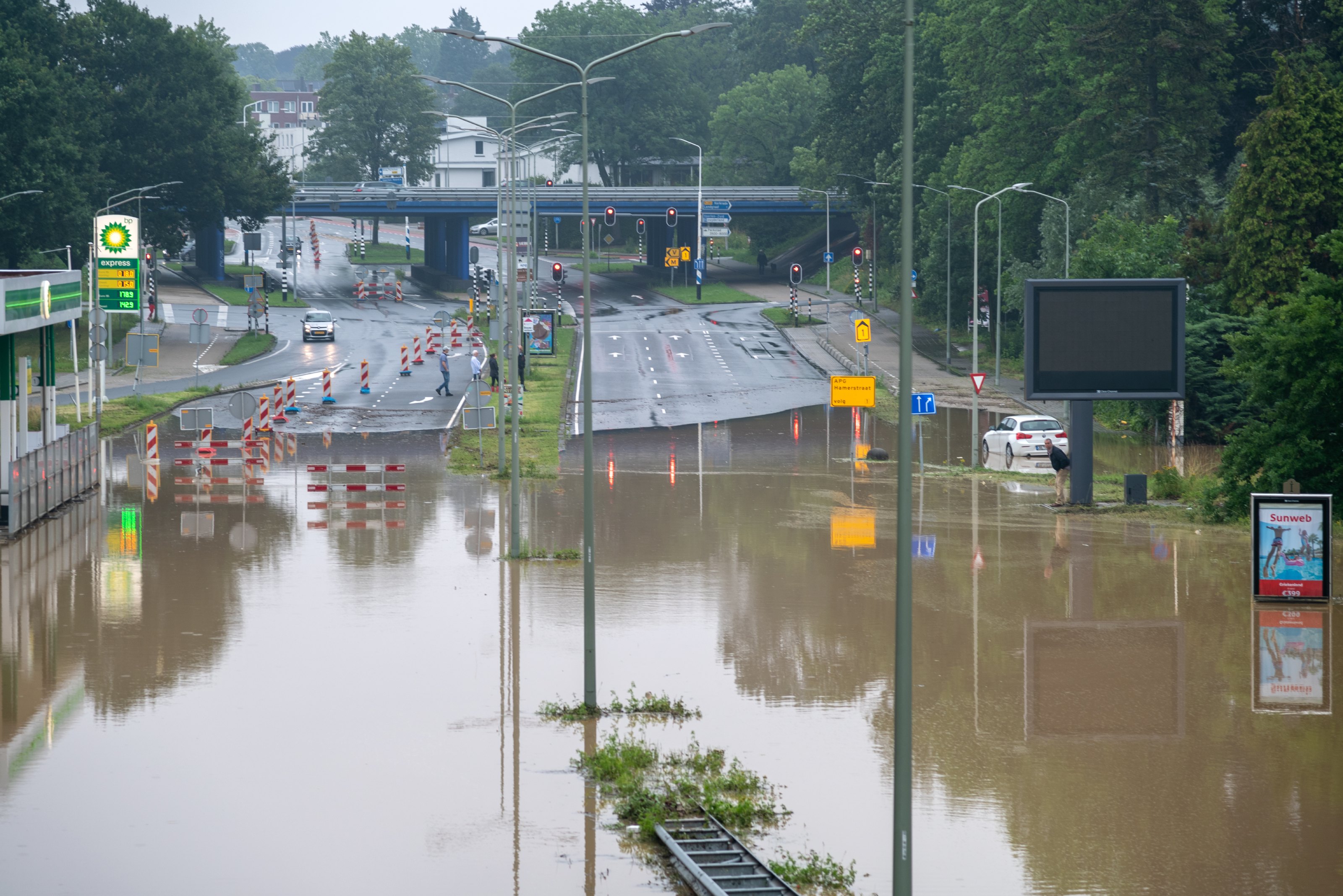
The need for such innovation is becoming increasingly apparent as Europe experiences fluctuating weather patterns, with periods of heavy rainfall followed by drought, and expected EU-regulation on cleaning roadwater, following the EU water resilience strategy. These conditions are presenting road authorities with new design and maintenance challenges, which the RRR project addressed head-on.
Rijkswaterstaat’s commitment to climate adaptation through RRR
Working with research institutes and local stakeholders in the Netherlands, Belgium, Germany and France, RRR facilitated the exchange of experience and the development of practical solutions. These included manuals and experimental designs for collecting, storing, cleaning and distributing rainwater.
The overall aim was to protect infrastructure during heavy rainfall and provide essential water resources in times of drought, using a community-based approach.
INNOVA58: Paving the way for the roads of the future
A key component of Rijkswaterstaat’s involvement in RRR is the INNOVA58 project, located near the A58 motorway. This is where groundbreaking materials and environmentally friendly experiments are being carried out. Indeed, they are setting the stage for the development of future roads. INNOVA58 served as the Dutch use case for RRR, alongside other use cases in Belgium, Germany and France.
Results and follow-up
The ultimate goal of RRR was to disseminate the knowledge and experience gained. All results are reported in the project website. The presented strategy for replicating the RRR model in different regions and addressing a range of societal challenges is becoming implemented at the site of INNOVA58 and elsewhere under the name Sponge Roads.
Project period
January 2024 - July 2025
European programme
Partners
Rijkswaterstaat, Corporatie Kloostersland, Vlaamse Milieumaatschappij (VMM), IMEC Vlaanderen, CEREMA, TZW