

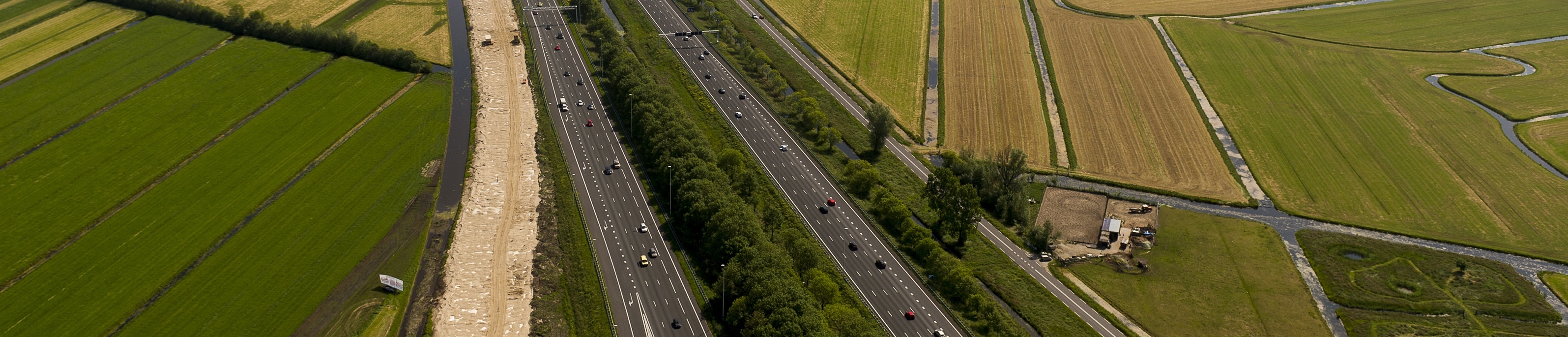
Project ViA15 (A12/A15): improving accessibility in the Arnhem-Nijmegen region
Traffic volumes around Arnhem are increasing, putting pressure on accessibility, liveability and economic development in the region. In response, the national government and the Province of Gelderland are working on Project ViA15.
The project centres on extending the A15 by approximately 12 kilometres and connecting it to the A12, as well as widening sections of both motorways. This will create a direct connection between the Port of Rotterdam and Germany and improve regional and international accessibility. As a result, travel times will decrease and connectivity between the Arnhem-Nijmegen region and surrounding areas will improve, benefiting the regional economy and employment.
What will happen?
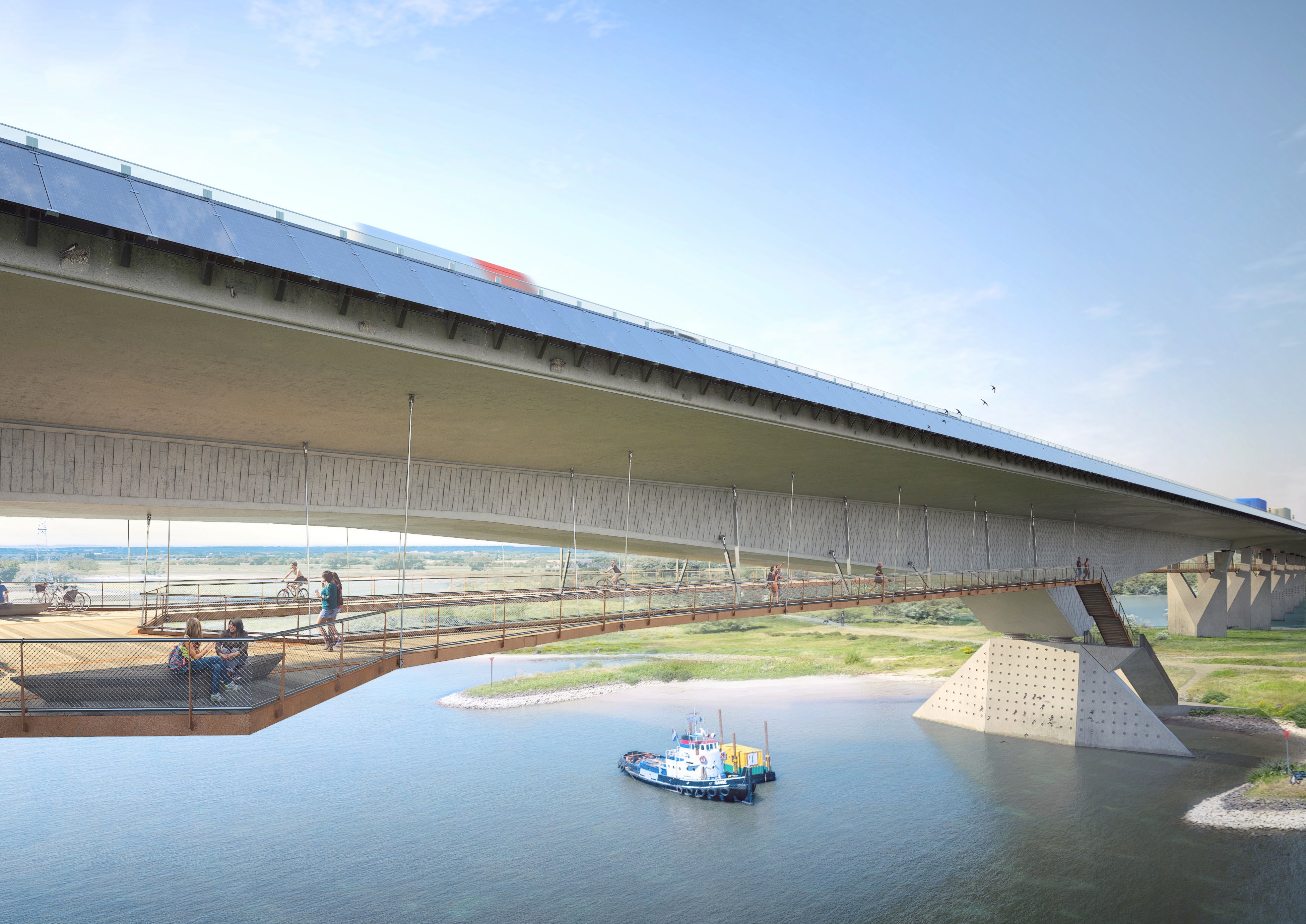
Project ViA15 combines several measures to deliver these improvements. Existing motorways will be widened and new infrastructure will be developed, including a bridge across the Pannerdensch Canal. To limit the impact on the surrounding area, parts of the motorway will be built below ground level. New connections to the regional road network will also be created, improving local accessibility.
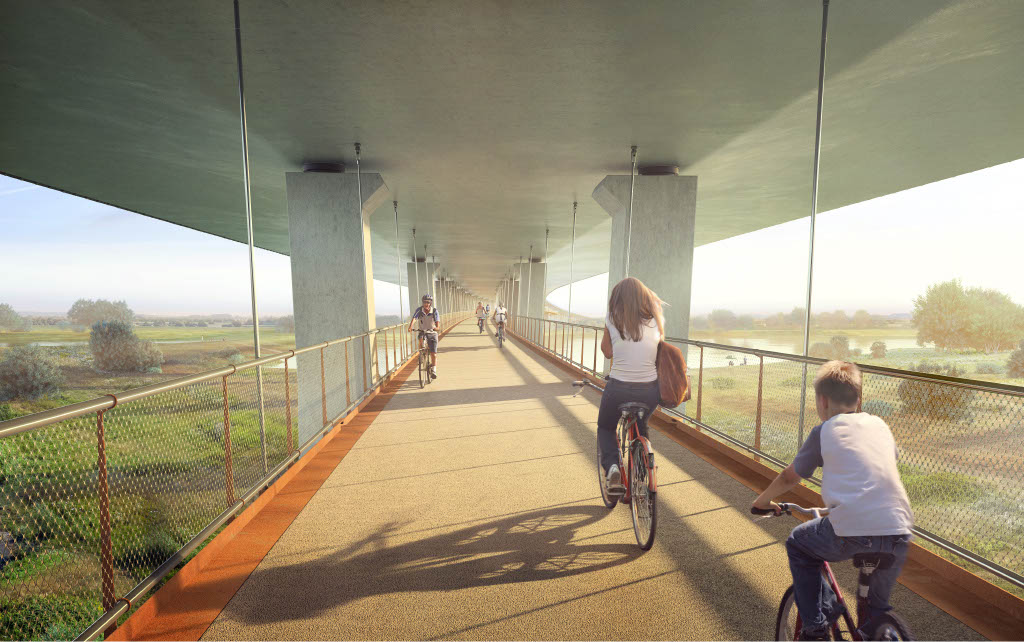
The project also supports more sustainable mobility, for example through the development of a high-speed cycling route.
Results: improved accessibility and liveability
Project ViA15 will improve accessibility in the Arnhem-Nijmegen region and strengthen its connection to the European hinterland. By creating a direct link between the Port of Rotterdam and Germany, the project facilitates international freight transport while supporting regional economic growth.
Traffic flow will become smoother and the road network will become more reliable, resulting in shorter travel times and increased road safety. At the same time, the project contributes to a more liveable environment in the surrounding area.
Limiting disruption and protecting people and nature
Project ViA15 includes a range of measures to limit disruption and protect the surrounding environment, as well as additional initiatives implemented by the construction consortium GelreGroen. During construction, efforts focus on minimising nuisance such as noise, vibration and traffic disruption. In the long term, measures such as sound barriers, low-noise asphalt and careful design will reduce the environmental impact.
The project also invests in nature by creating new habitats and providing safe crossings for wildlife. Sustainable solutions and careful landscape integration are central throughout, reflecting a strong commitment to building with care for people and nature.
Project period
The implementation of Project ViA15 is planned between 2026 and 2031. This schedule is subject to change.
European programme
Website
For more information, please visit the Dutch project website: Project ViA15.