
How a Living Lab is accelerating the roll-out of charging hubs
Electric freight transport is growing rapidly. But how can we ensure that charging infrastructure keeps pace with this growth? To help answer this question, Rijkswaterstaat and its partners in the Living Lab Heavy-Duty Charging Hubs have spent two years monitoring six pioneering charging hubs.
What have they learnt? We spoke with Rob de Groot of Rijkswaterstaat and Niels Nobel of Milence.
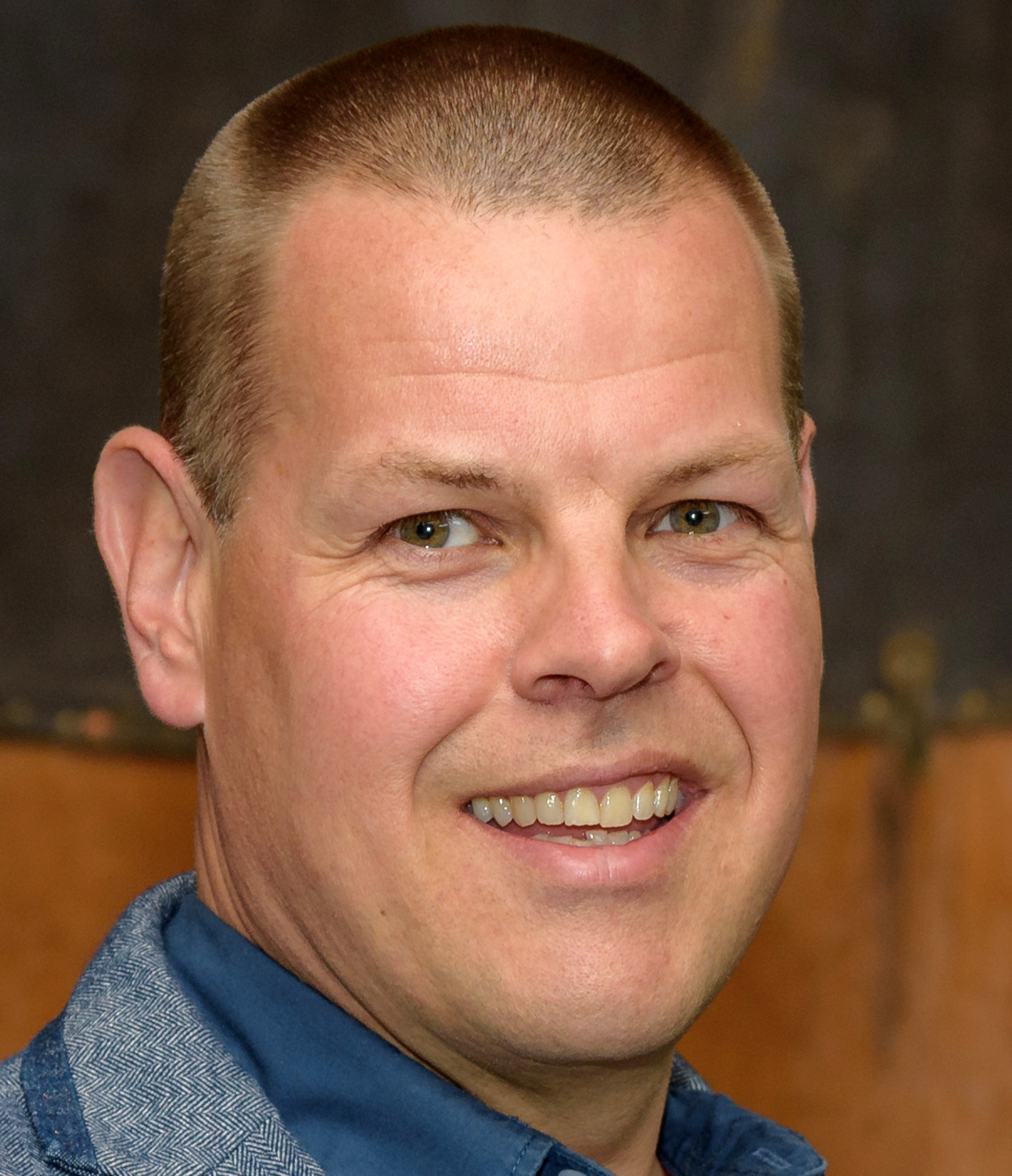

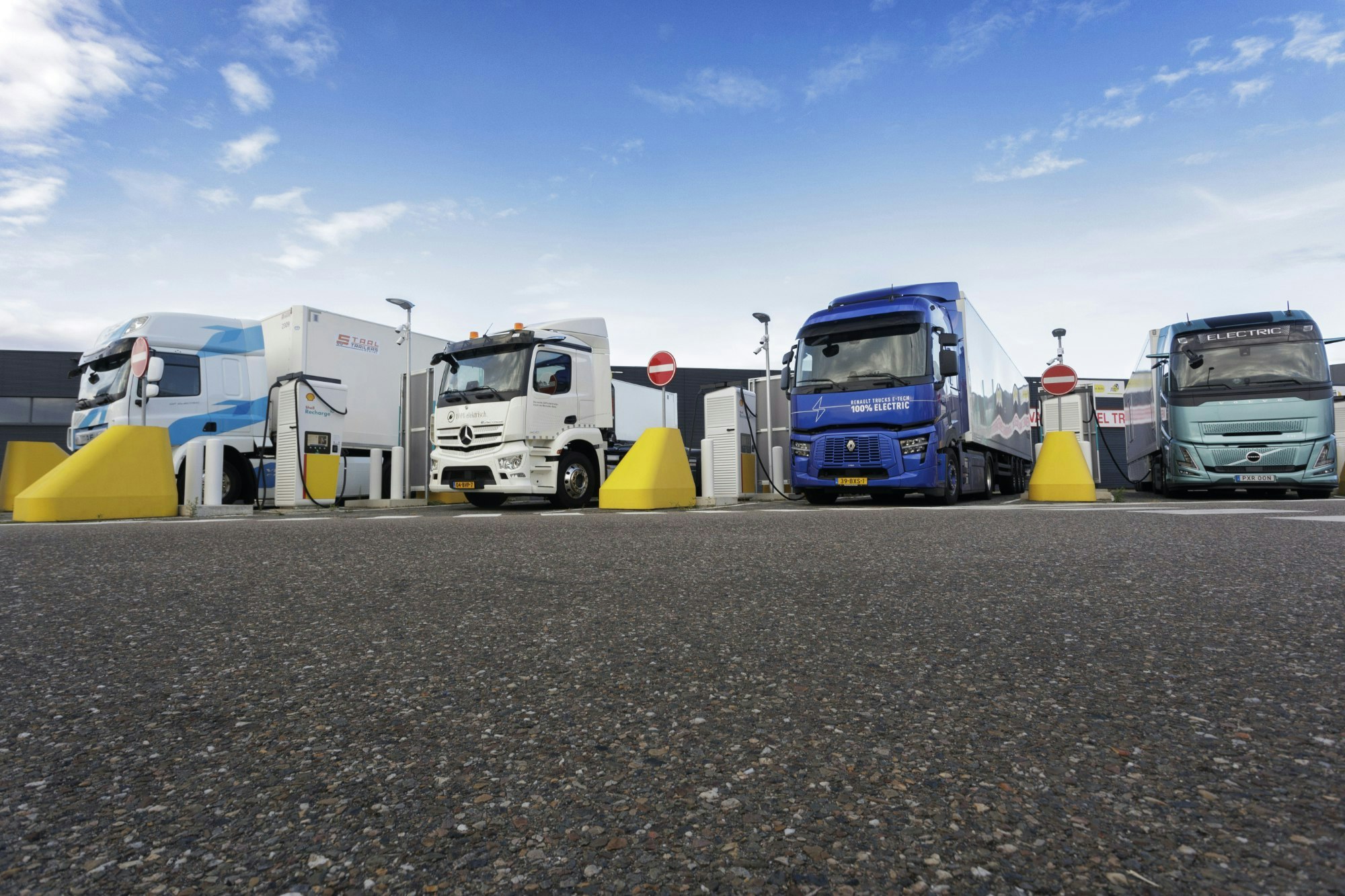
As part of the Living Lab Heavy-Duty Charging Hubs, Rijkswaterstaat, market players and research organisations are investigating how charging hubs operate in practice and what is needed to roll them out on a larger scale.
‘A considerable amount of research had already been carried out into charging infrastructure, but much of it was theoretical,’ explains Rob de Groot, sustainable mobility programme manager at Rijkswaterstaat and project leader of the Living Lab.
‘With this project, we wanted to gain practical knowledge by collecting data, testing new approaches, developing solutions and learning from one another and from the charging hubs themselves.’
From pioneering to scaling up
The six charging hubs participating in the project were among the first in the Netherlands. Today, more than 100 locations across the country offer charging for 40-tonne lorries. This rapid growth makes practical knowledge all the more important. The pioneering phase is giving way to large-scale deployment.
‘This is precisely when it’s important to understand what works in practice and what doesn’t,’ says De Groot.
Prior to the project, Rijkswaterstaat and market stakeholders jointly identified the gaps in knowledge regarding charging hubs. There was a particular need for more knowledge about technology, spatial planning, the energy system, the business case and logistics. The partners then identified what data they needed to collect to fill these knowledge gaps and answer their questions.
‘This partnership of equals is unusual in a market where the participating companies are now also competitors’
Sharing knowledge to multiply its value
Rijkswaterstaat deliberately chose to work closely with market players, De Groot emphasises. The partners formulated the research questions and shared their experiences and data.
‘We didn't commission the market parties to carry out the work. Instead, we entered into a cooperation agreement with them.’ This partnership of equals is unusual in a market where the participating companies are now also competitors. But for De Groot, sharing knowledge is what matters. ‘When you share knowledge, you multiply its value.’
Niels Nobel of Milence, which is participating in the project through its charging hub in Venlo, also sees the benefits of this approach. He points out that Rijkswaterstaat and market players share the same goal, although they play different roles.
‘The Living Lab allows us to tackle practical bottlenecks together and explore broader issues. It also helps us keep track of developments across the market, which is particularly valuable given how quickly things are changing.’
Charging hubs under the microscope
The participating charging hubs have now been closely monitored for two years. Every month, they provide extensive data on energy consumption, technology and how lorries use the charging facilities, among other things. The data is analysed by TNO and other partners. What has this revealed?
‘We now have a much clearer picture of how demand for charging is growing and how we can design charging hubs to meet future needs,’ De Groot explains.
Practical experience has shown that, with current charging technology, lorries can recharge sufficiently during their mandatory rest periods to continue their journeys. The next step is to make charging more efficient. Milence is therefore focusing on megawatt charging, with charging capacities of 1,000 kW or more.
‘This reduces charging times and allows us to serve more lorries at the same location,’ Nobel explains. ‘We now have a much clearer picture of how demand for charging is growing and how we can design charging hubs to meet future needs’
The analyses also reveal where problems arise in practice. ‘Sometimes they’re highly technical,’ says De Groot.
‘For example, an incorrect setting on a charging point can cause energy losses because its internal cooling system responds too slowly. But problems can also involve the layout of the site. How much room does a lorry need to manoeuvre? And how do you make sure the signage is clear?’
De Groot points out that drivers need clear directions not just within the charging hub itself, but from the access road onwards. ‘Clear routing also prevents unnecessary manoeuvres, which improves safety.’
The findings are valuable beyond the Living Lab itself. Other charging point operators, hauliers, logistics companies, energy suppliers, grid operators and public authorities can also use them to develop charging infrastructure.
Venlo as a testing ground
The charging hub in Venlo is particularly important to Milence, Nobel explains. ‘It was the first charging hub we opened in Europe.’
Milence now operates dozens of charging locations across Europe. ‘You can plan and prepare all sorts of things in advance, but it’s only when you actually build a site and start using it that you discover what works and what doesn’t. You can then apply those lessons to your second and third sites.’
At the Venlo Living Lab, for example, Milence experimented with battery storage. This makes it possible to store energy when few lorries are charging and use it when demand is higher. The company also developed a booking system that allows hauliers to reserve a charging bay in advance.
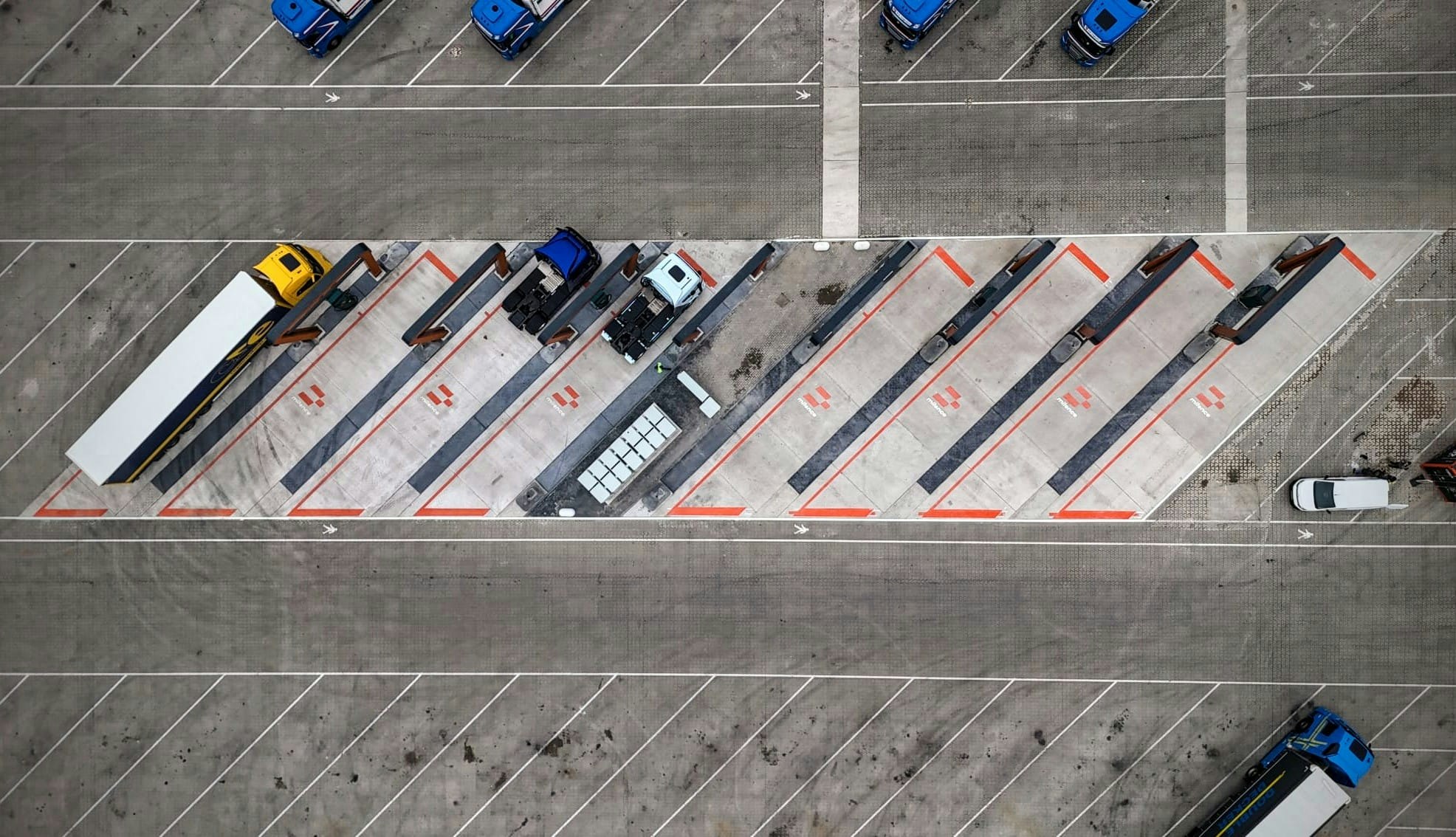
‘Drivers can book a time slot so that a charging bay is available as soon as they arrive.’ But putting the system into practice raised new questions. What happens if a driver doesn't turn up? Or arrives too early or too late? Milence is using these experiences to refine the system.
According to Nobel, the Living Lab has helped speed up these developments. ‘Not only through financial support, but also because the collaboration and agreements within the programme encourage us to put innovations into practice.’
‘If we know that additional grid capacity will become available somewhere in a few years, we can buy or lease land there now’
The biggest challenge: grid congestion
Although electric lorries and charging technology are developing rapidly, further expansion faces a major obstacle: grid congestion. Milence is therefore planning as far ahead as possible. The company monitors where and when grid operators expect to increase capacity and starts looking for suitable sites well in advance.
‘If we know that additional grid capacity will become available somewhere in a few years, we can buy or lease land there now and apply for a grid connection,’ Nobel explains.
‘We always build along major transport routes, but we’re fairly flexible about the exact location. A company with a large site at its existing premises is tied to that location. We, on the other hand, can choose a site 30 or even 100 kilometres away. That gives us more options.’
Meanwhile, Milence is exploring other ways to make better use of the capacity already available. These include battery storage and partnerships with solar farms, wind farms, battery storage operators and logistics companies that have spare capacity on their grid connections. ‘You need to be proactive and willing to take risks.’
Making smarter use of energy
De Groot also recognises grid congestion as a major challenge, but sees no reason to slow down the electrification of freight transport or the expansion of charging hubs. In fact, he believes charging hubs can help use available energy more effectively.
‘A lorry might arrive at a charging hub at five in the afternoon, for example, but charging can be postponed until a quieter and cheaper period, such as overnight. Battery storage also allows us to store energy for later use.’
The opportunities extend beyond charging lorries. Rijkswaterstaat is also investigating how its wider infrastructure could contribute to future energy systems. For example, locally generated energy, battery storage and charging hubs could be combined with the power supply for bridges, locks and tunnels.
‘This would allow us to distribute available energy more efficiently, making the overall energy system and the power supply to our infrastructure more resilient,’ says De Groot.
The Living Lab is helping Rijkswaterstaat understand how public infrastructure, energy supply and logistics could become more closely connected in the future.
Exactly how far this integration will go remains to be seen. But examples such as delayed charging and battery storage already show that charging hubs do not simply require additional electricity. They can also help use available energy more effectively.
‘We'll stop collecting data on 31 December 2026, but developments won't stop there’
The next phase
The current Living Lab Heavy Duty Charging Hubs programme is drawing to a close. ‘We'll stop collecting data on 31 December 2026,’ says De Groot. ‘After that, we’ll have another six months to prepare the final report and complete the project.’
But the work won’t end there. The knowledge gained will be consolidated and shared with market players and public authorities, so they don’t have to reinvent the wheel every time they develop new charging hubs. The market has changed so much that the partners are also exploring a new form of collaboration suited to the next phase of scaling up.
Where does Nobel hope the Venlo charging hub will be in two years’ time? ‘By then, I’d like to have more grid capacity, more charging points and megawatt chargers.’ This would allow Milence to expand the capacity of the busy charging hub and keep pace with growing demand.
De Groot is particularly interested in the next step: applying the lessons from the Living Lab more widely and integrating charging infrastructure more closely into the energy system. ‘When it comes to grid congestion, charging infrastructure is often seen as part of the problem. I hope we’ll increasingly recognise that it can also be part of the solution.’