
2025: the year in review for Rijkswaterstaat International
Collaboration outside the Netherlands, the NATO summit and planning for extreme scenarios: 2025 was full of special moments for Rijkswaterstaat internationally. We have put together some news about these special moments below.
Spring
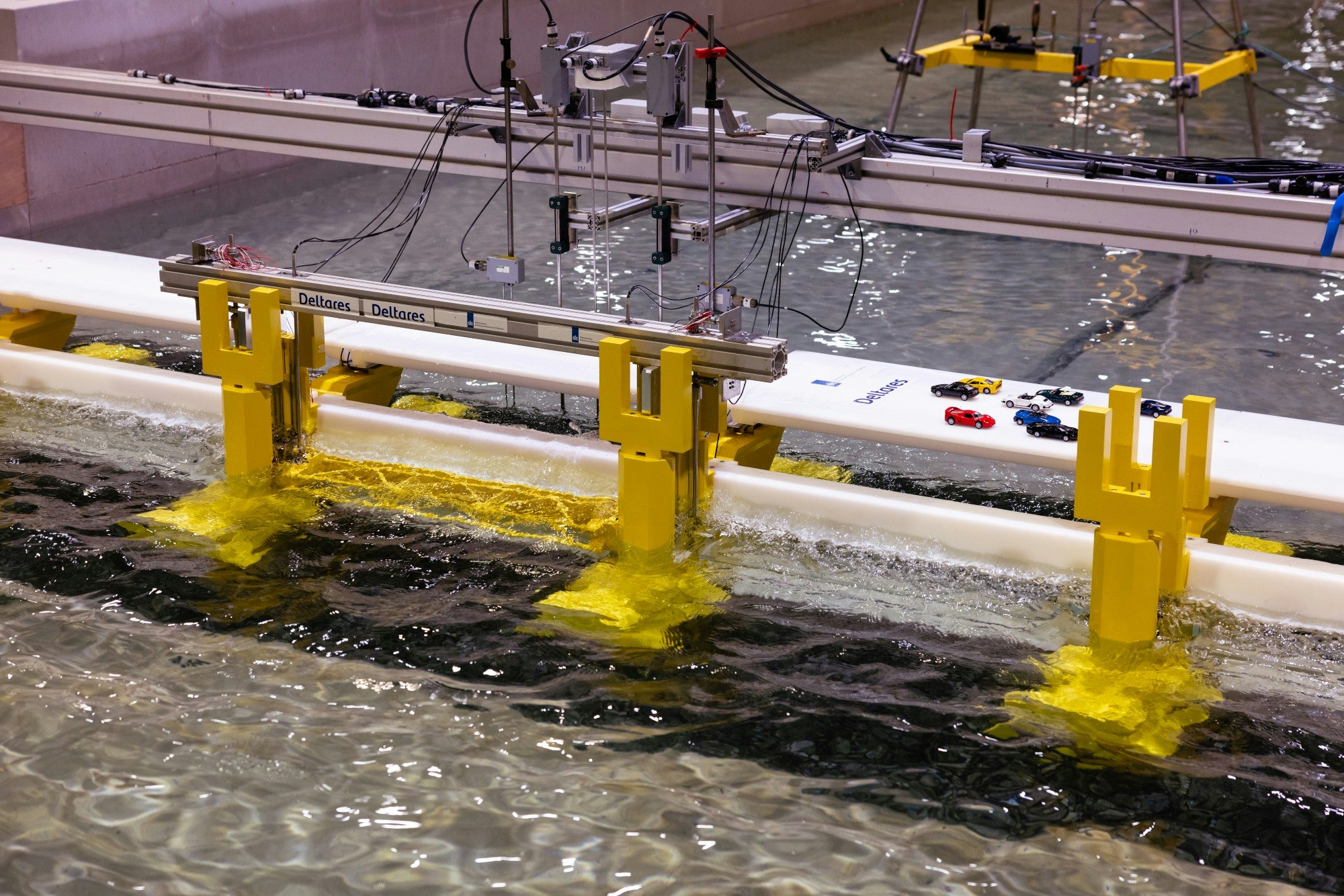
Eastern Scheldt storm-surge barrier tested to the limits
To provide protection against extreme high tides well into the future, Rijkswaterstaat carried out extensive testing on the Eastern Scheldt storm-surge barrier under controlled, but extreme circumstances.
In specially constructed test basins, research was conducted into how components of the barrier would respond to different combinations of high-water levels, wave action and storm surges. This large-scale physical testing provided valuable insights into the behaviour of materials and structures.
The results are being used to improve maintenance strategies and for better preparedness for more extreme weather events as a result of climate change. In this way, the Eastern Scheldt storm-surge barrier remains a reliable link in the Netherlands’ water security system.
Collaboration intensifies following US visit
In the spring, a delegation from Rijkswaterstaat undertook a working visit to the United States to exchange know-how and experience about water management, infrastructure and climate adaptation. The visit consisted of talks with government departments, knowledge institutions and operational organisations.
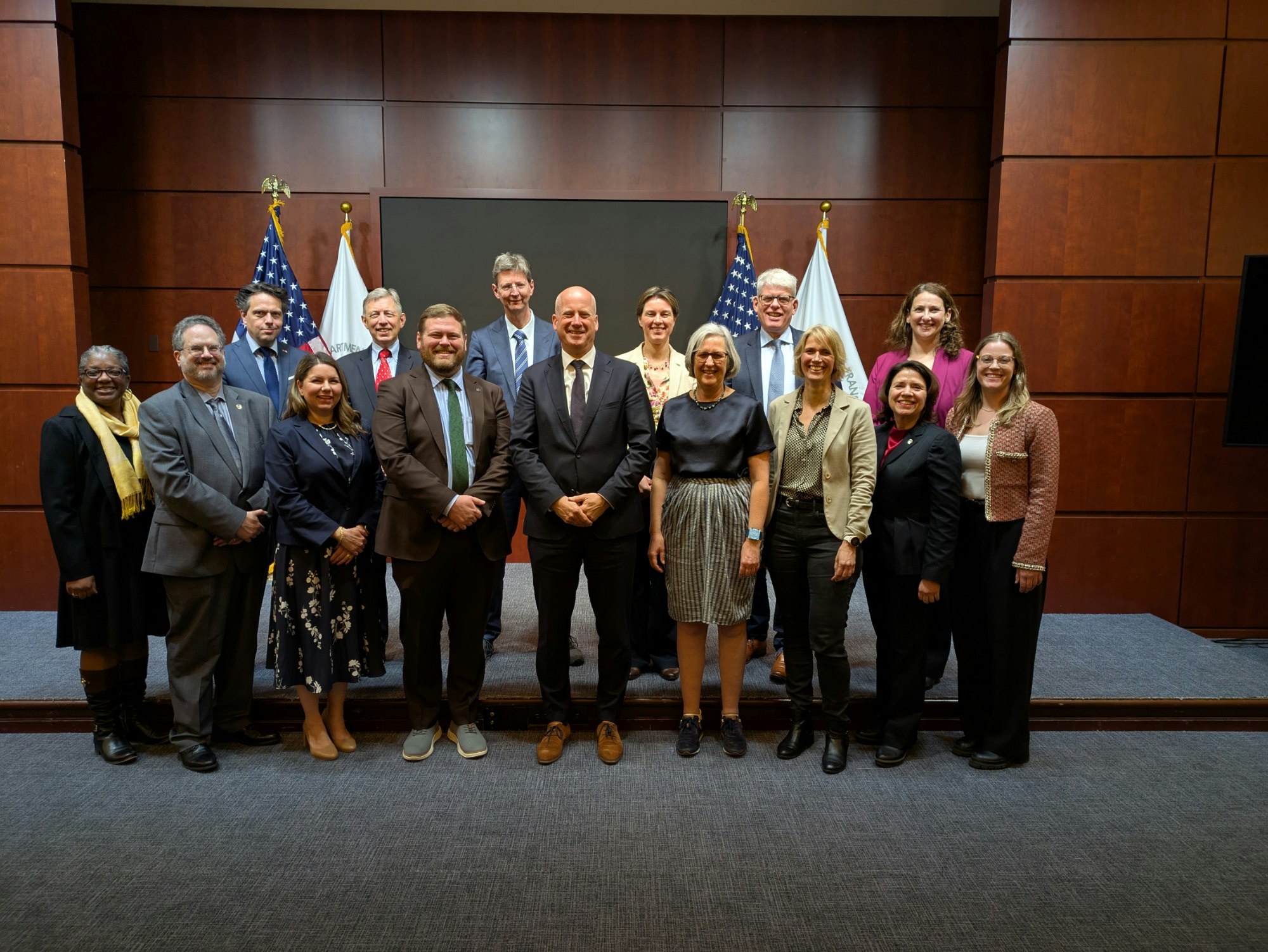
Important themes centred on how to deal with extreme weather, management of an ageing infrastructure, and innovative solutions for water security. The visit underlined the importance of international cooperation: drawing lessons at an international scale enables Rijkswaterstaat to consolidate its own approach and for the Netherlands to actively contribute to worldwide solutions with respect to water and climate issues.
Summer
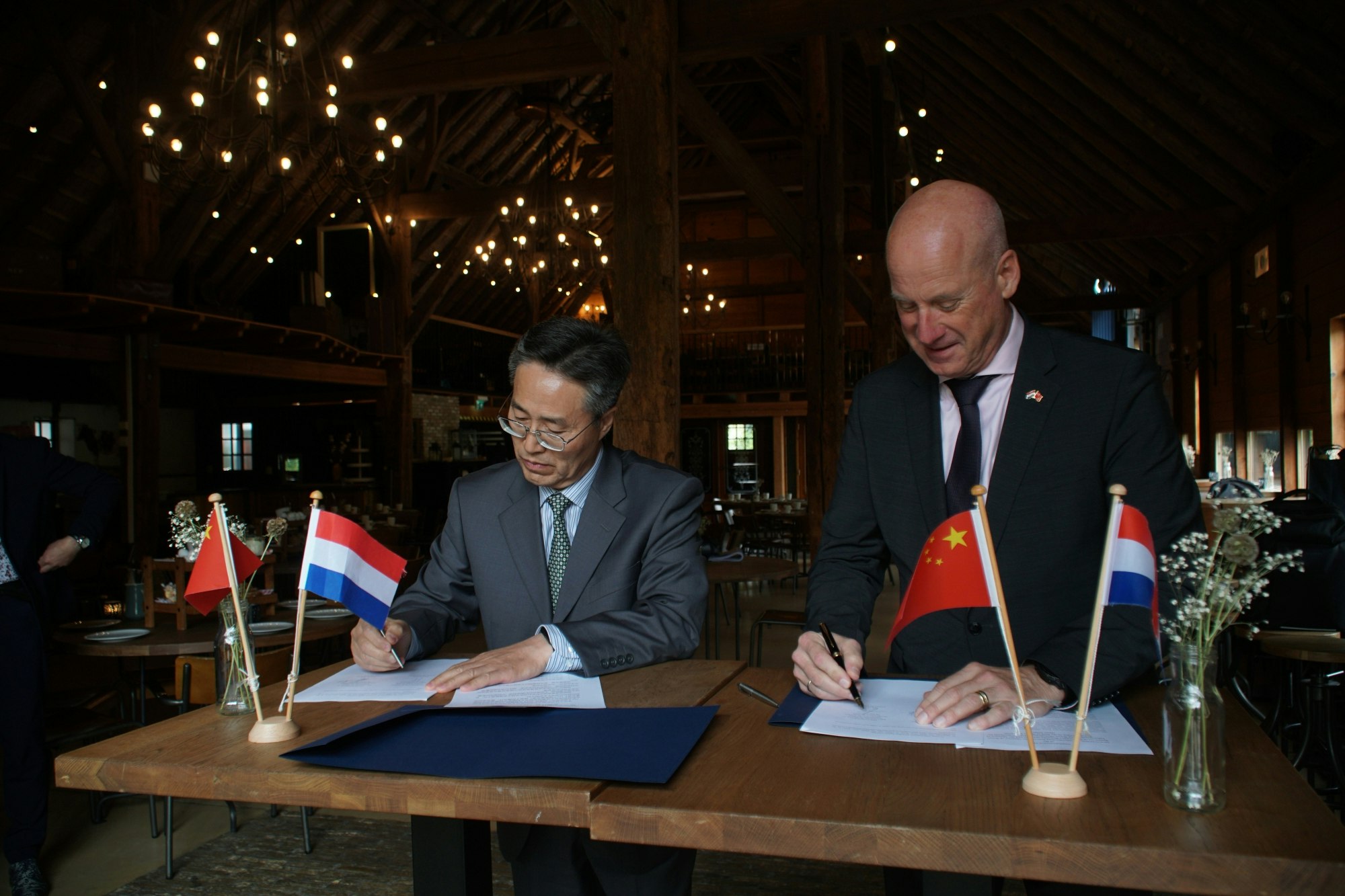
The Netherlands and China continue to invest in knowledge sharing
The longstanding cooperation between China and the Netherlands in respect of water management and infrastructure was given a fresh impetus in the summer. The two countries face similar challenges, such as ongoing urbanisation, climate change, and pressure on rivers and coastal regions.
The Netherlands and China are working on joint ventures towards bringing about sustainable and future-proof solutions. The continuation of this cooperation shows how important international partnerships are in tackling complex water-related challenges. Rijkswaterstaat plays an active role in this by tying in Dutch expertise with these international issues.
NATO summit takes place without traffic chaos
The organisation of the NATO summit in The Hague this summer brought about major logistical challenges for Rijkswaterstaat. Temporary road closures, traffic diversions and heightened security measures meant there was a serious risk of large-scale traffic congestion.
However, following intensive planning, the implementation of smart traffic measures and close cooperation with the relevant authorities and emergency services, it was possible to guarantee accessibility. Road users were informed in good time and the traffic management around the event was continuously monitored and updated.
What had beforehand been seen as a high-risk operation, went off smoothly and in a controlled fashion and showed how experience and cooperation make all the difference in such large-scale events.

Autumn
Storm-surge barriers: forever prepared for extremes
The storm-surge barriers in the Netherlands form an indispensable link in the struggle against flooding from the sea. In the autumn, this ever-present state of readiness represented by these complex engineering works featured centre stage.
Rijkswaterstaat constantly maintains its investment in inspections, maintenance and technological innovation to ensure that these barriers work reliably whenever needed.
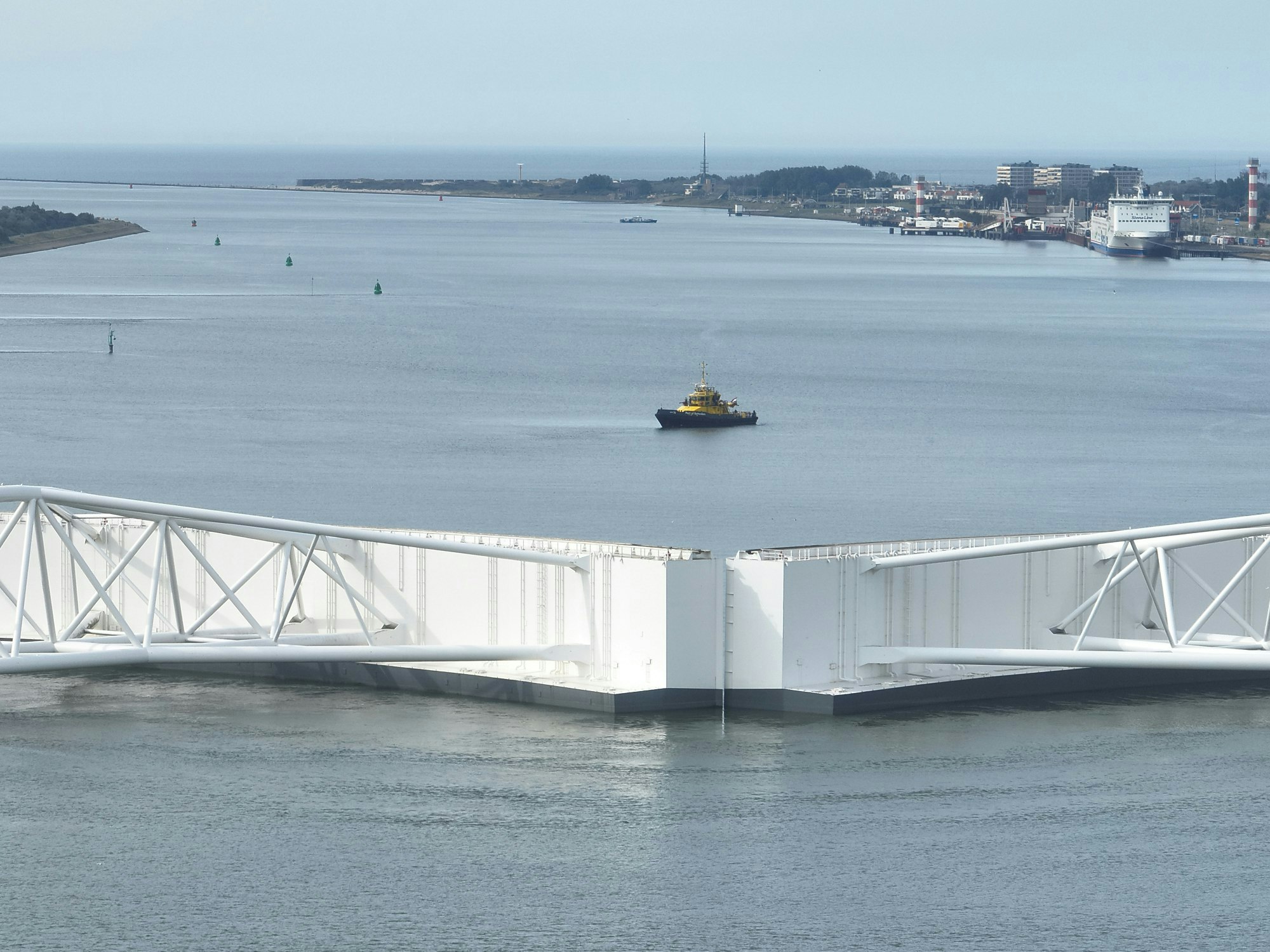
This investment is more important than ever in the light of climate change and more extreme weather events. By a continuous process of learning, testing and improvement, Rijkswaterstaat is helping to ensure that the Netherlands is properly protected against flooding well into the future.
Resilience to sea-level rise
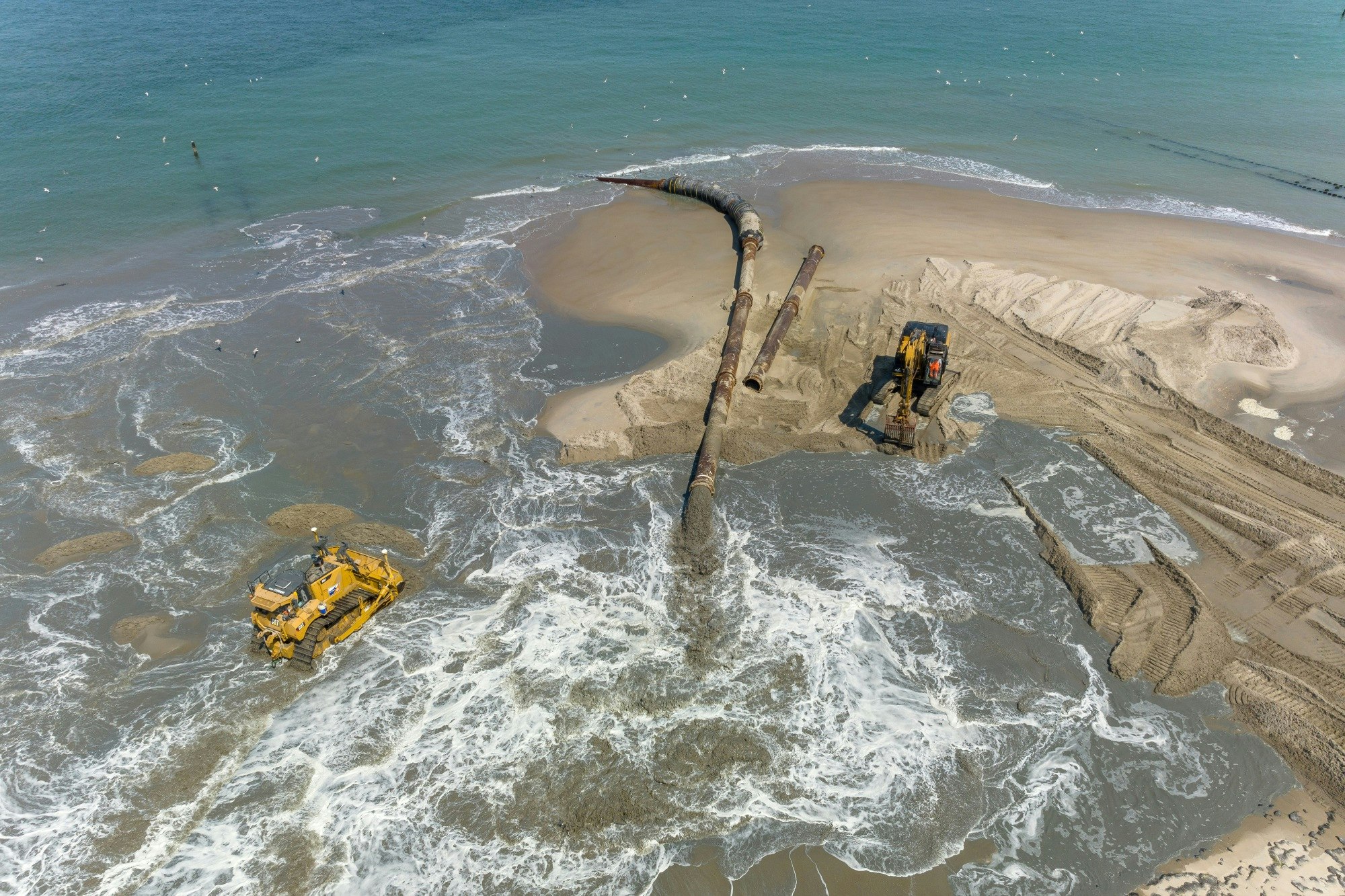
The rise in sea levels is one of the most pressing consequences of climate change in the Netherlands. To this end, Rijkswaterstaat is systematically working towards maintaining its coastal defences through sand suppletion: this means the deposition of additional sand on beaches, shorelines and sea beds.
The sand not only stabilises the beaches, but is also blown into the dunes, which work as a primary line of defence against the sea. By taking advantage of the natural processes - so-called nature-based solutions - a combination of safety and sustainability is achieved.
Additionally, Rijkswaterstaat is working intensively with international partners, not least within the MANABAS COAST project, to share this know-how and to continue development of this approach. In this way we are helping towards collective, future-proof coastal protection.
The year 2025
2025 was a year in which dynamism, contact and international cooperation proved central to Rijkswaterstaat International. The efforts and commitment of our colleagues, both in European projects as well as in international networks, showed the great value that Rijkswaterstaat attaches to the sharing of know-how and experience.
It is on such firm foundations that we look forward with confidence to 2026. All that remains is for us to offer you our warmest wishes of the season and for an inspirational and prosperous New Year.