
Resilient to sea level rise: more sand, more safety
Millions of people in the Netherlands live below sea level. It is a fact that almost no one thinks about anymore: it’s something normal, just part of our existence.
But the sea level is changing. In the twentieth century alone, sea levels rose by approximately 20 cm. For the Netherlands, sea level rise is high on the list of the most significant consequences of climate change. How can we work with our international partners to formulate a response to this development?
Keeping the coastline in place
'The sea is a powerful element that cannot be controlled', says Saskia van Gool, Programme Manager of the Sea Level Rise Knowledge Programme at Rijkswaterstaat. 'If we did nothing, the sea would eat away at the land. With higher sea levels, this would just continue further inland.'
The most important way to prevent this is keeping the coastline in place. This is done by adding extra sand to the beach. 'The solution to dealing with sea level rise is actually quite simple: we just need to add more sand to the beach. And that’s precisely what we're doing. The higher the rise, the more sand we add. This ensures that the coast stays in place.'
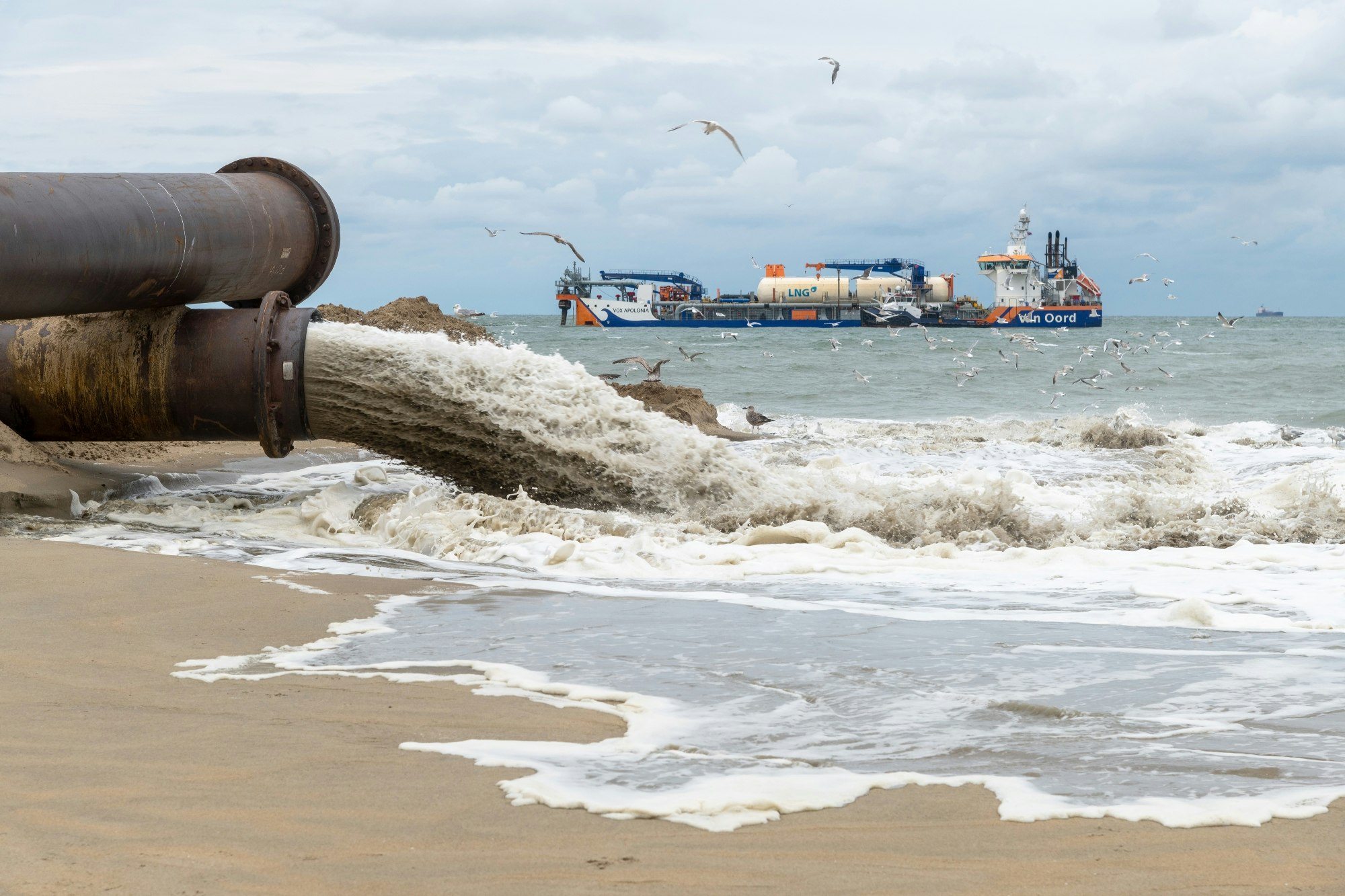
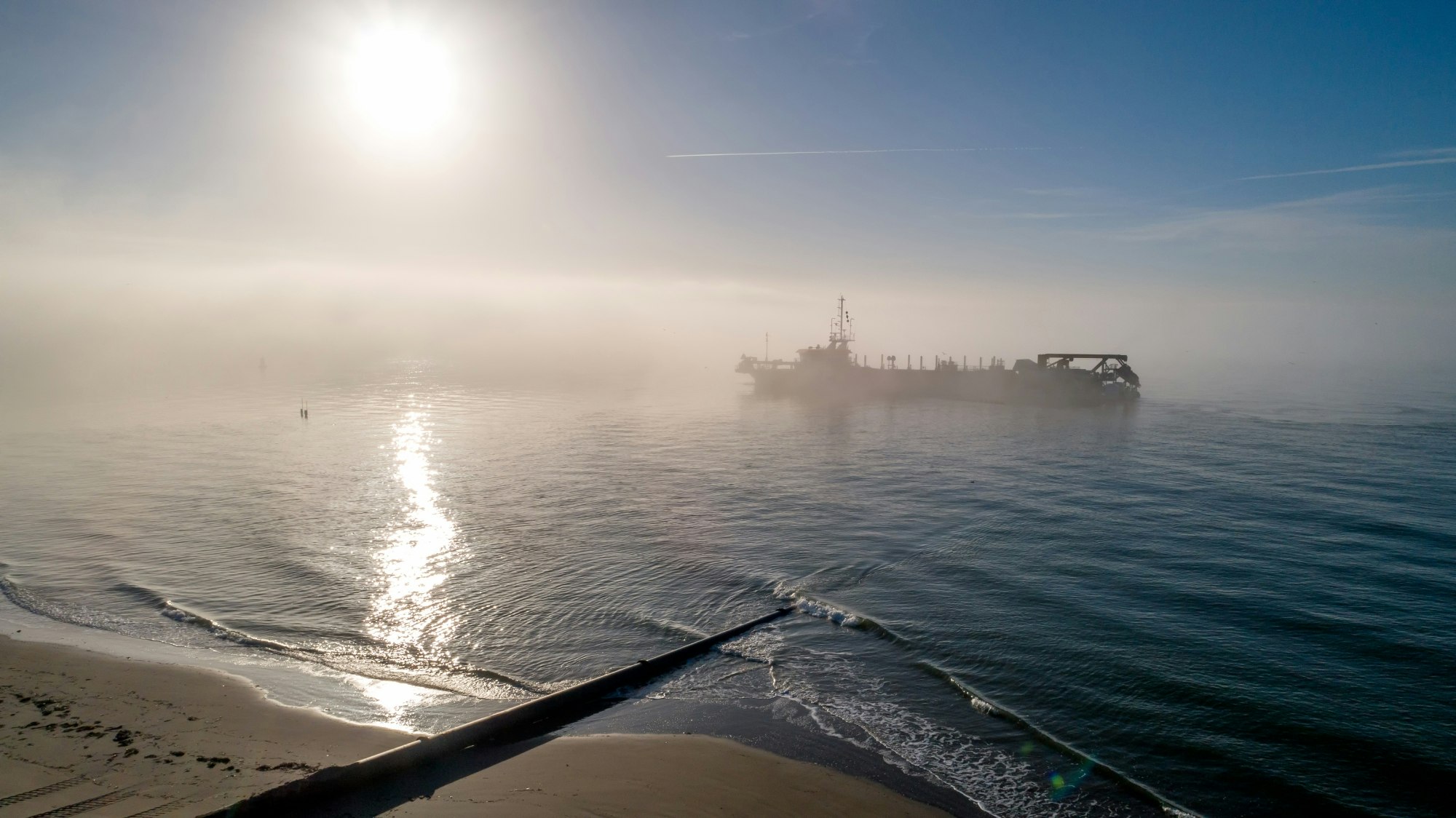
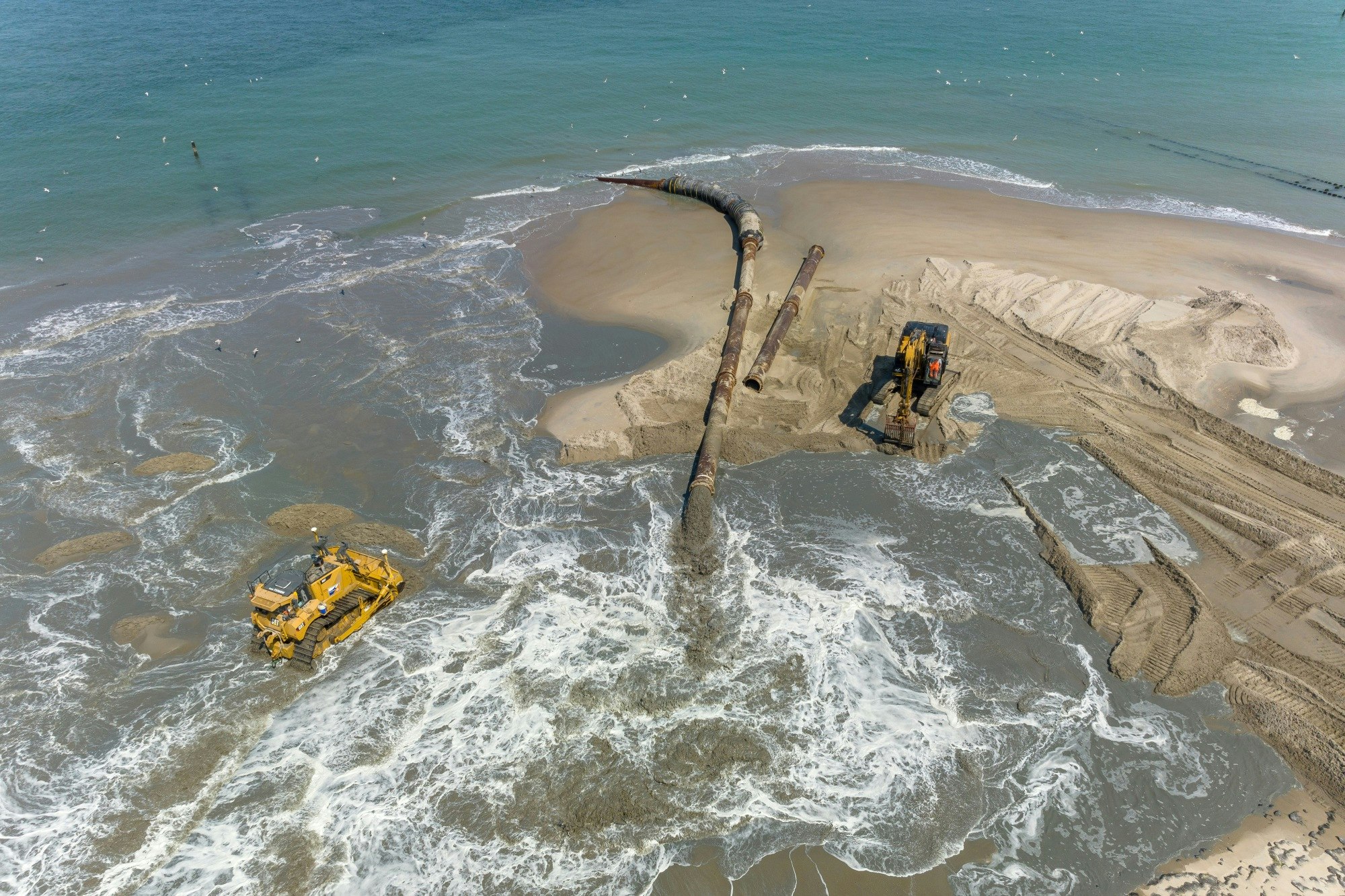
We call this process sand replenishment. Special dredgers spray or dump sand on the beach or on the seabed. The ship sucks up sand from the North Sea seabed, more than 10 km from the coast. Like a giant vacuum cleaner, it drags its suction head across the seabed to suck up the sand. We then transport the sand to the coast to deposit or spray it.
Building with nature
Furthermore, in the Netherlands, we look at the natural processes that already exist and make use of them. 'For example, if we put sand on the foreshores, the current will naturally wash it onto the beach. So we use natural materials that we also implement in a natural way. We call this Nature-based Solutions.'
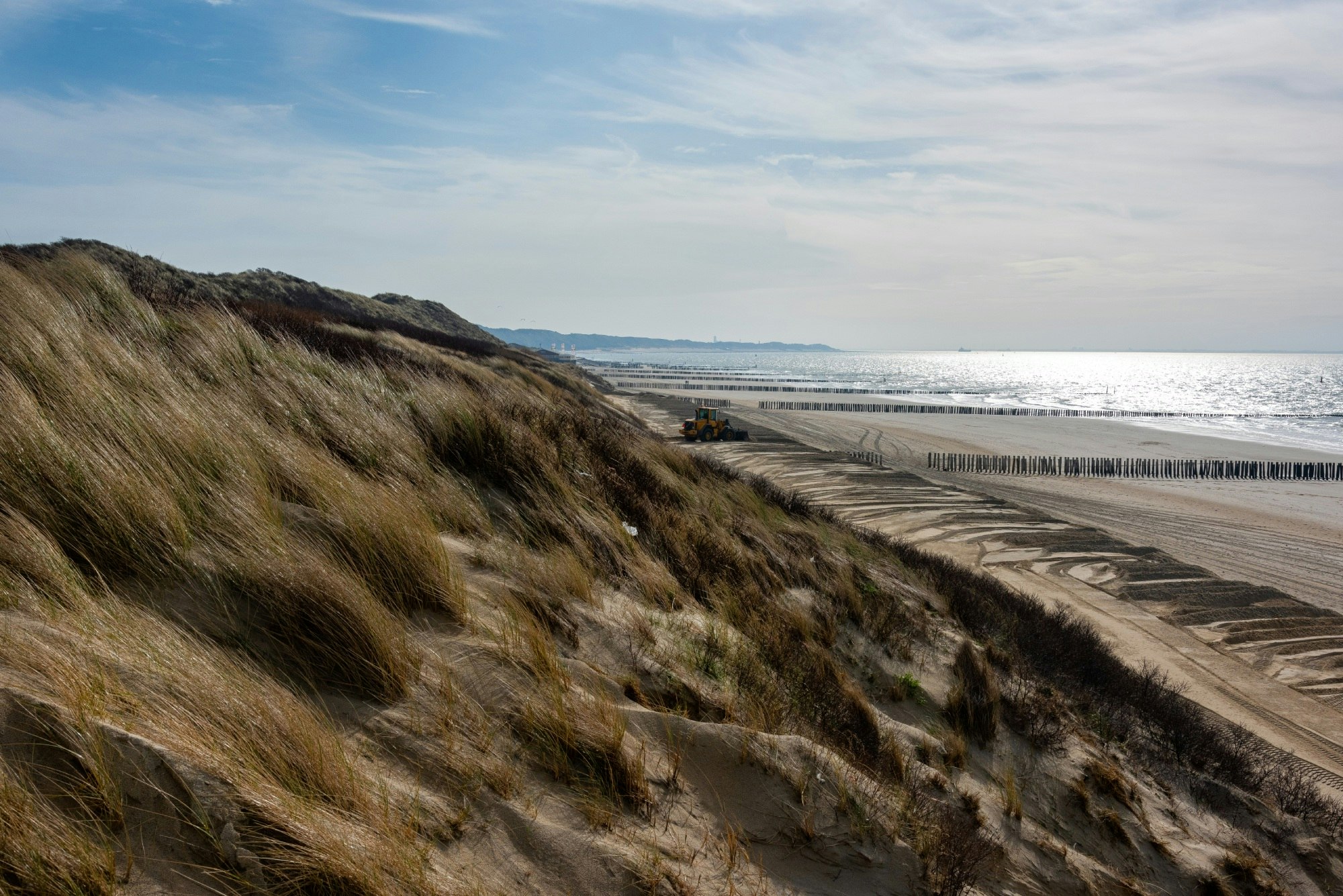
The extra sand we lay down also blows into the dunes. This also reinforces the first row of dunes, which is actually the primary barrier of a coastline. This is how we use natural processes to ensure that our land remains protected from the sea.
The coast as a shared front
The sea does not observe national borders. That is why we, in the Netherlands, are working together with our neighbours and countries beyond to make ourselves resilient to sea level rise. 'We live in a natural system. If Belgium needs sand to maintain its coastline, for example, they may look to us for it. Good coastal management cannot be done in isolation. You depend on each other.'
That is why we are collaborating with five other countries, from France to Sweden, in the MANABAS COAST project. The goal is to promote the use of Nature-based Solutions. Van Gool is the Programme Manager for this project. Rijkswaterstaat is leading this project because we consider the global objectives in the field of climate resilience and sustainable coastal management to be important.
From pioneering to benchmarking
The MANABAS COAST project involves us exchanging knowledge and learning from each other how best to deal with the consequences of sea level rise and coastal erosion. 'For example, while we contribute our ingenuity from the Netherlands, we learn from our partners how they deal with the locality, which can sometimes find these measures complex. Nature-based Solutions may require space or land, for example, which is not always welcomed by everyone.'
Although Nature-based Solutions such as sand replenishment offer a viable solution, they are not yet being applied on a large scale along the entire North Sea coast as the primary solution for coastal protection. The MANABAS COAST project aims to make these solutions the benchmark.
'International knowledge exchange is very important in order to deal with sea level rise. We must continue to learn from each other.'
Safety demands urgency
What is currently the biggest concern when it comes to the consequences of sea level rise? 'Basically, we have coastal management well under control. But that is precisely why a sense of urgency sometimes lessens. If people no longer feel that it is essential, you fall behind. We can’t afford to be complacent. Good coastal management is a prerequisite for continuing to live safely.'