
From learning by doing to train-the-trainer: sustainable EIA development worldwide
The international branch of the Netherlands Commission for Environmental Assessment (EIA) supports government authorities and other stakeholders worldwide in both implementing and translating EIA into supported decision-making. ‘Building trust is key.’
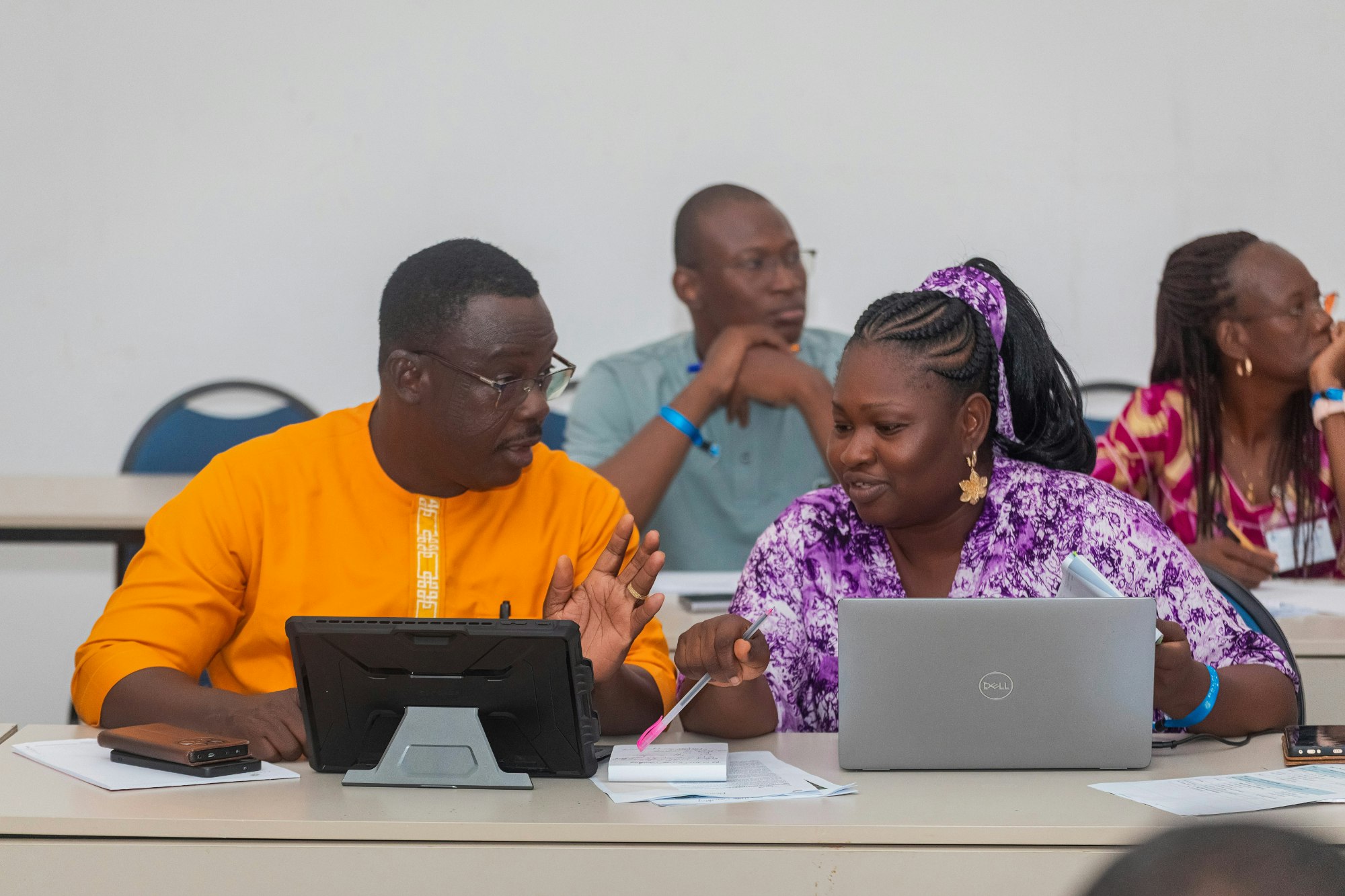
In the Netherlands, the commission is legally responsible for evaluating the quality of environmental impact assessments and providing independent advice. The commission also has an international branch that is supported by the Ministry of Foreign Affairs. This branch does not have a statutory duty, but helps foreign governments at their request to strengthen their EIA system.
These international activities are broader than advice on EIA content. More importantly, EIA contributes to decision-making that is broadly supported. This is not a matter of course in low and middle-income countries. The commission provides assistance with capacity development, explain advisers Arend Kolhoff and Sibout Nooteboom.
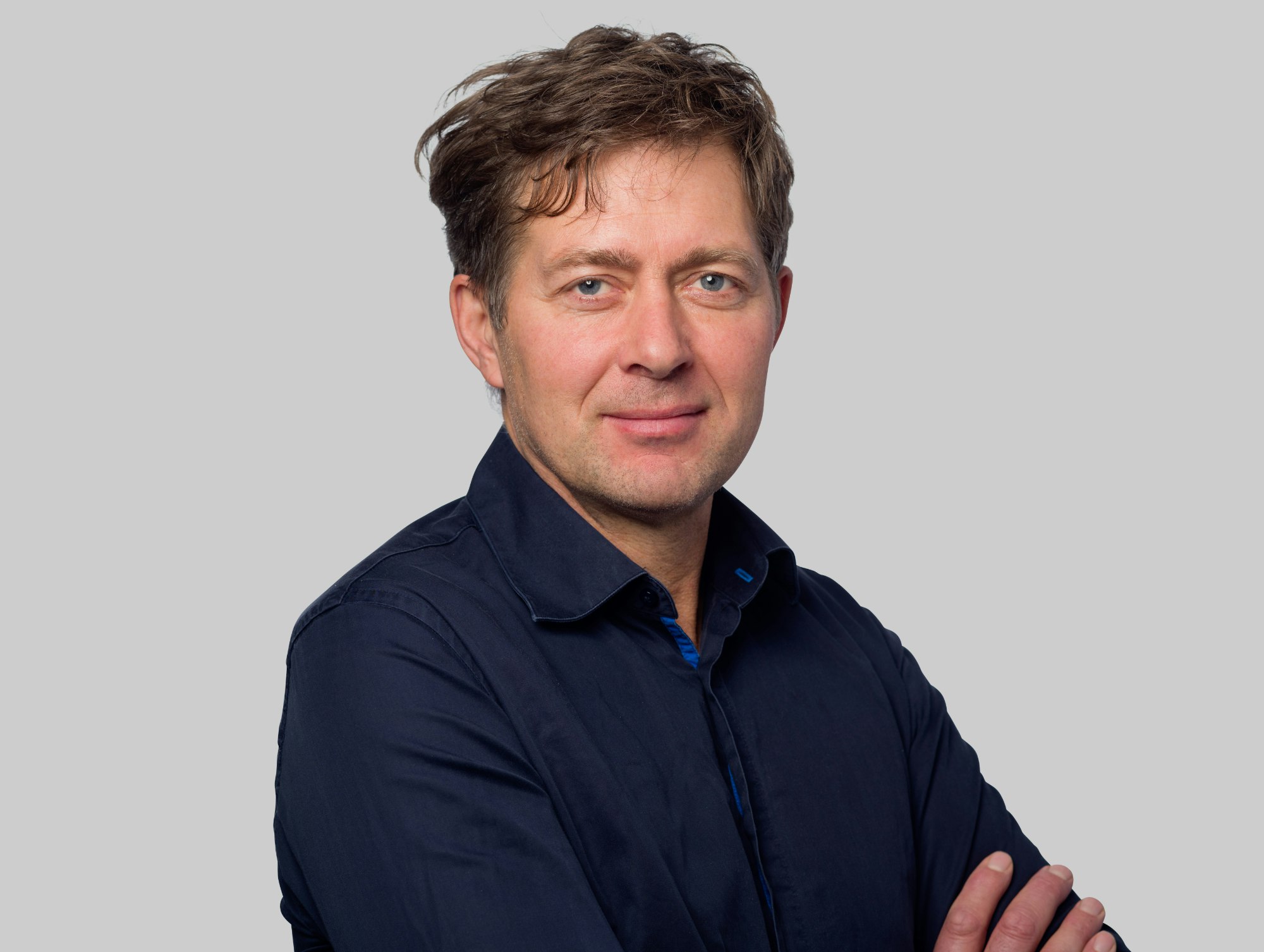
Who is your target audience?
Kolhoff explains: ‘We use a system approach because to make EIA an effective tool, you need to not only support governments, but include all stakeholders. We consider not only who is asking for help, such as a ministry of the environment, but also the area in which the project will have an impact. To this end, we approach our partners, such as representatives of non-governmental organisations (NGOs). Knowledge centres (such as universities), other relevant government organisations and the private sector are also involved. And, of course, the advisers tasked with carrying out the EIA. Ideally, we help all parties in their specific role, but we usually select those for which we can make the biggest difference. We focus on learning by doing, first together with us as a role model and facilitator and then independently without our help.’
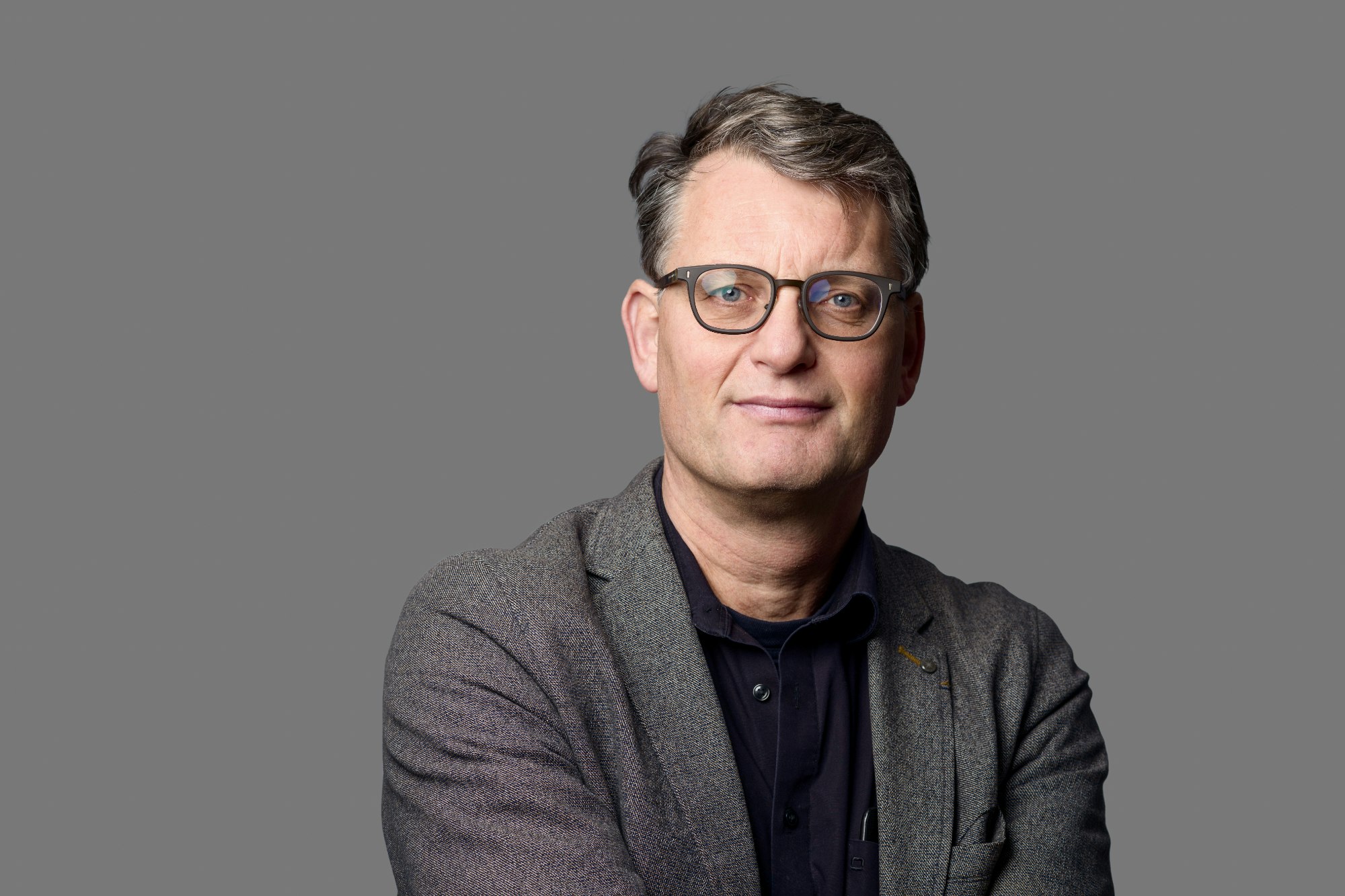
What is your most important lesson?
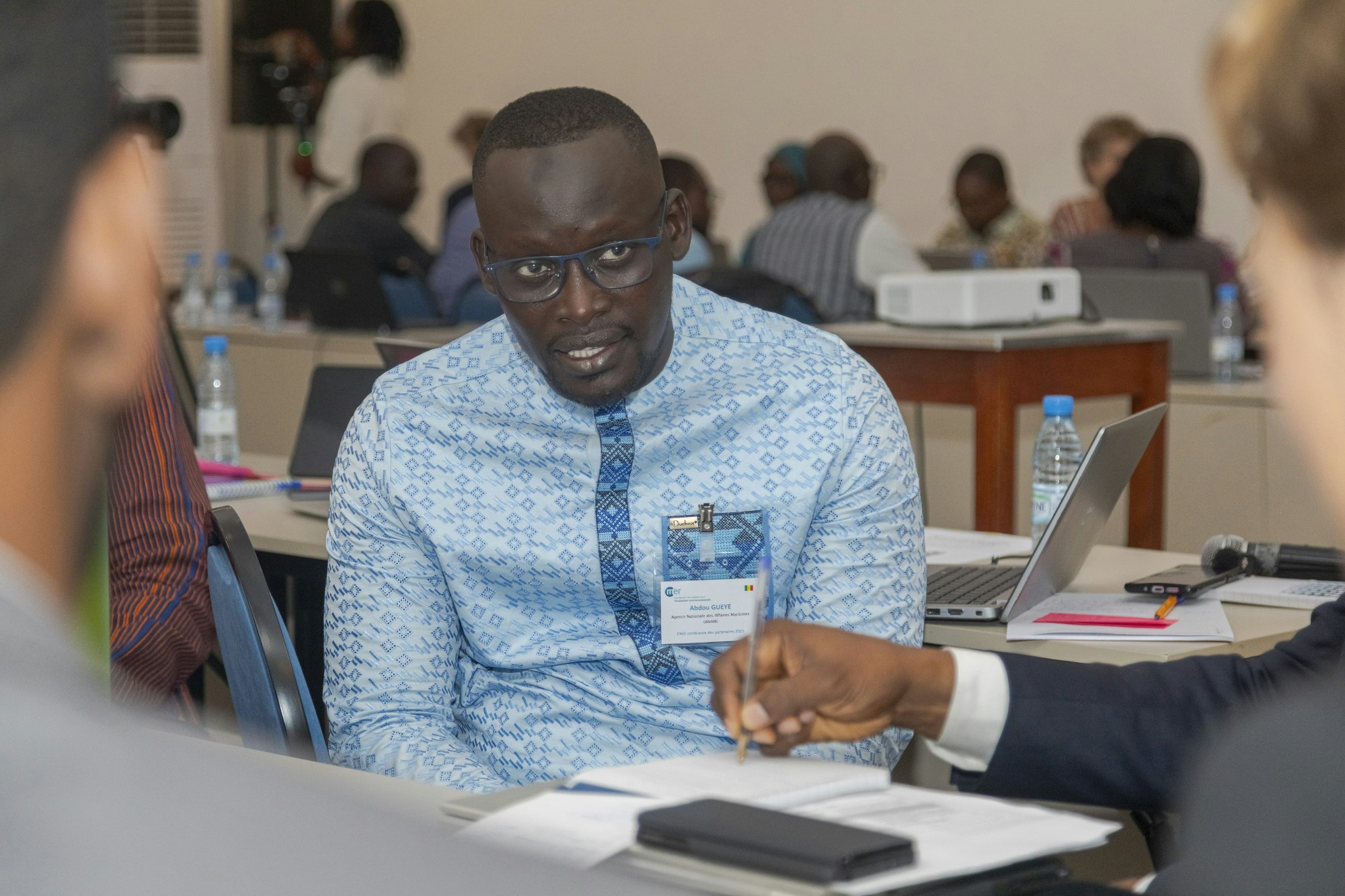
Nooteboom responds: ‘To build trust. The challenge is to bring together all the stakeholders, each with a different interest, and then organise a complex decision-making process in which those with actual power also take ownership. We recently brought together 30 partners from ten countries in Senegal to share experiences with EIA plans and to learn from each other. This included together reflecting on collaboration with other ministries and stakeholders in an EIA process. Trust is important for openly talking about the barriers people face.’
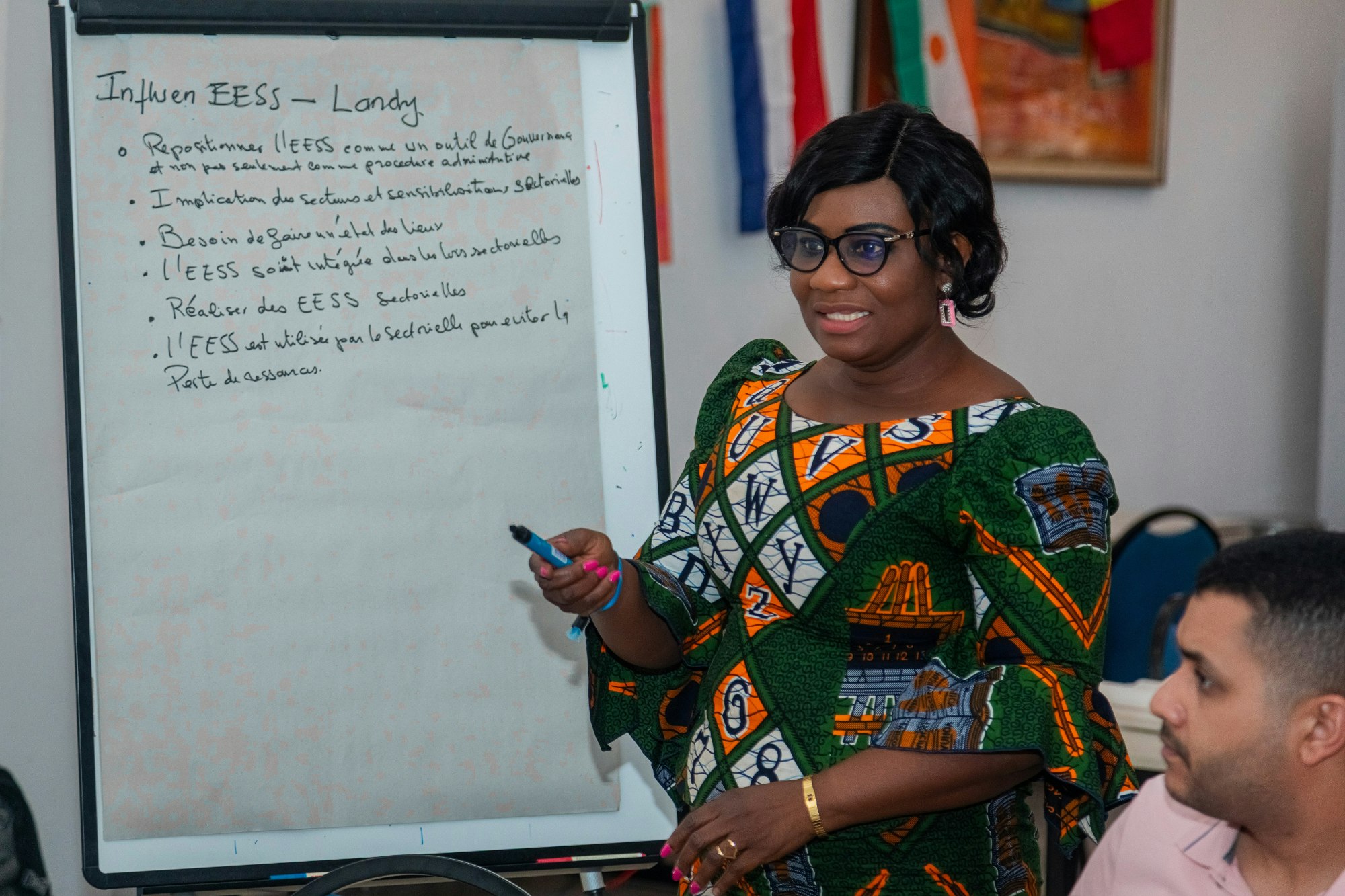
How do you build trust among all those parties?
Nooteboom responds: ‘By remaining independent. In the countries where we work, there is often little trust in the government, which complicates dialogue between the government and the people. If helps if, as a third party, we talk with everyone in a transparent way without any self-interest.'
Kolhoff adds: 'In Kenya, for example, we were asked to critically read through the EIA report for the construction of a nuclear plant. No one there had any experience with this and the risks are huge. When we critically read a document along with a party, we always put together a working group with external experts. In this case, there were five experts, two of whom were professors specialising in nuclear energy. Together we visited the communities and NGOs in the area. This was greatly appreciated and promoted a better understanding.’
How do you ensure that ‘learning by doing’ has a long-term effect?
Kolhoff explains: ‘This requires a system change and that takes time, which is why we prefer to enter into partnerships of at least five years. This enables us to work towards an approach that is as efficient as possible. In Bangladesh, for instance, we worked with a professor who also worked in his free time as an adviser and evaluated EIA reports for the government. This type of individual can bring about change on different fronts. Over the course of three years, we jointly developed a curriculum focused on EIA and then trained professors and teachers on how to implement it. The train-the-trainer principle is an important part of our approach.’
How do you monitor the effect of your work?
Nooteboom responds: ‘I’ve been travelling to some countries for 12 years now. We take a structural approach to maintaining contact. This is greatly appreciated. We also have an internal system for monitoring and evaluation that we use, for example, to assess the practical results of a project five years after completion. The Ministry of Foreign Affairs also evaluates our activities regularly – with positive results.’
How do you further develop the training programmes?
Kolhoff explains: ‘We are working on making an online course more widely available that teaches the basics of EIA projects and plans in a little over a week. We spent ten years developing the Spanish version in Peru, which has now been successfully rolled out in several South American countries. We are now working to update the course with such elements as animation films and are also translating it into English and French. An Indonesian version may also become available. Alongside these online tools, interaction continues to be essential.’
What do you want to contribute to the Dutch EIA world?
Nooteboom responds: ‘Don’t underestimate the power of EIA. People often consider it an obstacle to decision-making, but that does not have to be the case. In our work, we often see lots of examples in which EIA helps to bring parties together and get sensitive governance processes up and running. And, consequently, it makes an important contribution to sustainable development in a country.’