
Rijkswaterstaat tests remotely operated drones for faster incident response
Rijkswaterstaat has been using drones for several years to quickly gain a clear overview of incidents. Until now, these drones have been operated by pilots on the ground. With the Drone2Go project, we are taking the next step by testing drones that can be operated remotely via a computer.
This enables the drone to reach the scene of an incident within minutes and gather information before the emergency services arrive. Since December 2025, Rijkswaterstaat has been running a trial with this technology in Den Helder. To mark the launch of the project, two simulated incidents were staged to demonstrate the added value of remotely operated drones.
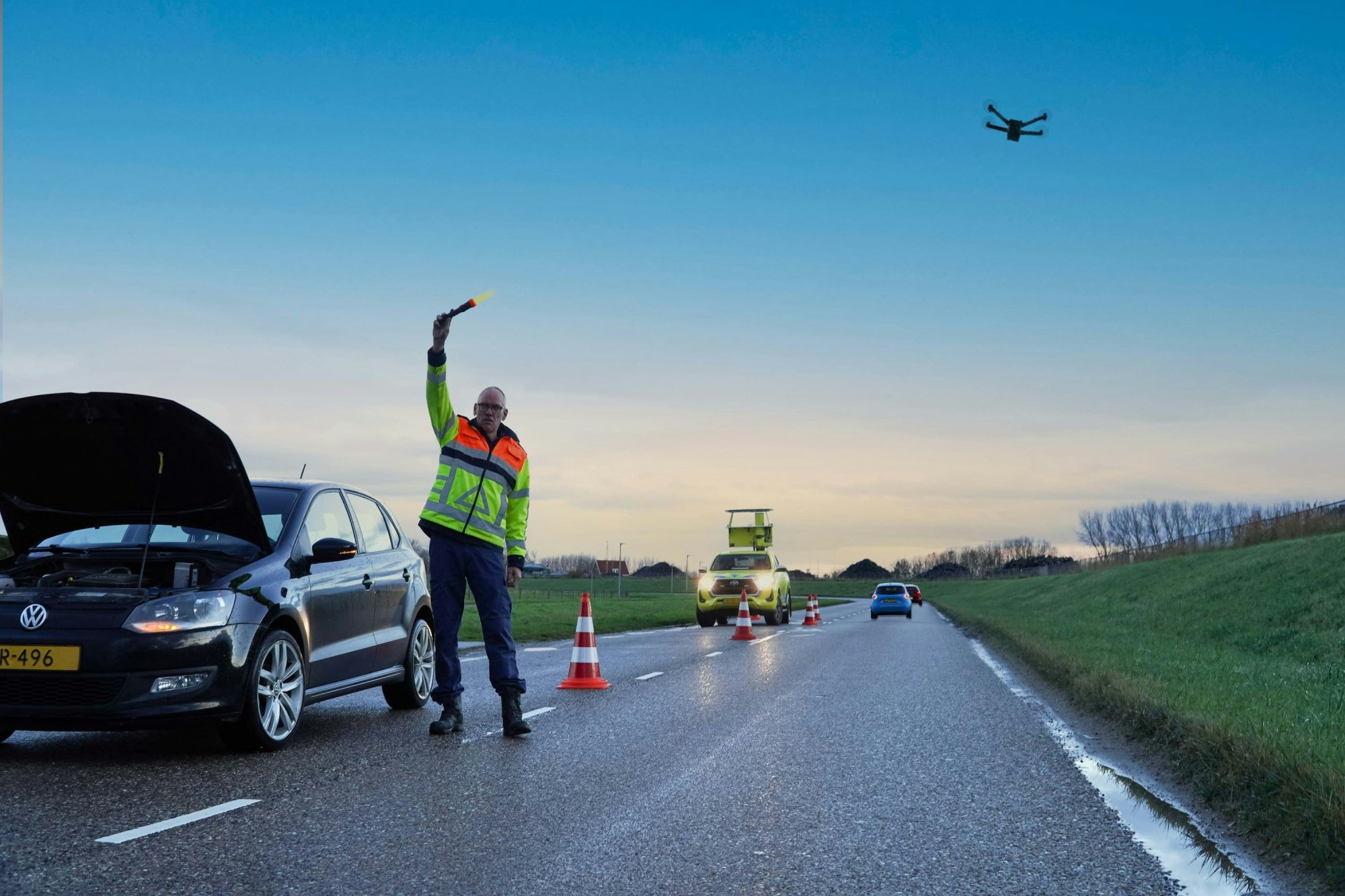
The trial
Over the coming months, Rijkswaterstaat will examine whether a drone can autonomously fly to the incident location within minutes of its report and transmit live images to the control room or traffic control centre. Ideally, this would happen before emergency services arrive on site.
The drone can reach an incident location quickly, without being delayed by traffic. During the flight, certified drone pilots operate the drone remotely via a computer. Images captured from above allow the traffic control centre to assess the situation rapidly and determine what action is required.
This could include deploying a recovery vehicle or a road-cleaning team, for example if oil has been spilled on the road. If the trial is successful, the drone will also be used during real incidents within the test area. Although the drone has a range of 15 km, it will not fly more than 2 km from its base station at Kooysluis during the trial.
Clear added value for Rijkswaterstaat
A key focus of the trial is flying beyond the pilot’s visual line of sight (BVLOS). BVLOS operations enable drone control from a distance via a computer, so the drone pilot no longer needs to travel to the incident location first. We have long used drones, but current response times range from 1,5 to 2 hours.
Remotely operated drones could reduce this to just a few minutes. This would make it possible to identify incidents and disruptions more quickly and respond to them more effectively, ultimately helping to resolve problems faster and more efficiently. The Kooybrug is one of the locations where practical trials are underway as part of the Drone2Go project.
The trial near Den Helder is being conducted by Rijkswaterstaat in collaboration with the Province of North Holland and the National Road Traffic Data Portal.
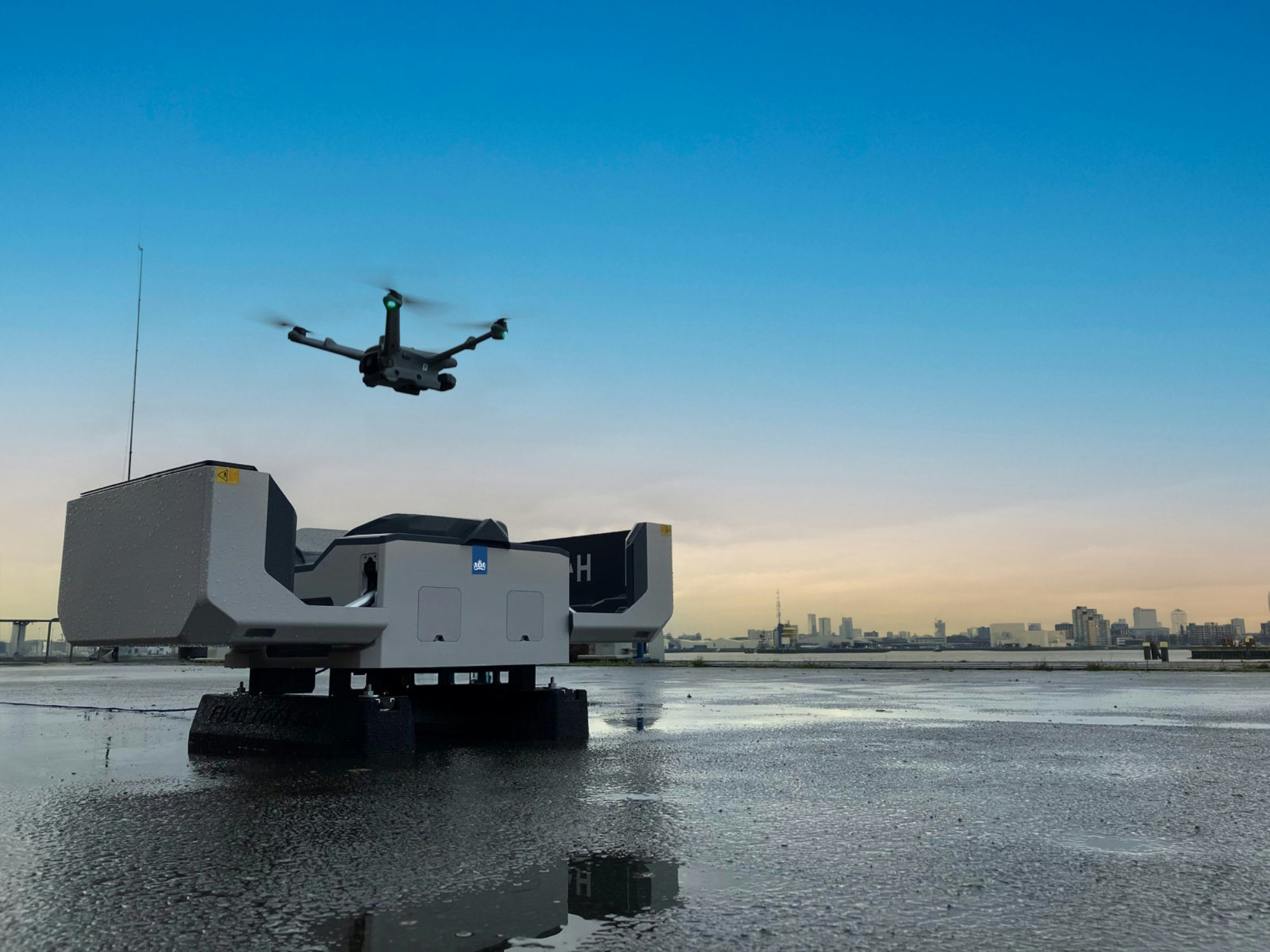
Next steps
There is currently no specific legislation governing the use of remotely operated drones. Such regulations are not expected until 2030, so large-scale deployment for incident management is not yet feasible. As a result, the drone will not remain in place after the trial ends.
Smart Patrol
The drone tests are part of our Smart Patrol shipping innovation programme. This programme focuses on improving and modernising operational services. Through a range of projects, the programme aims to make the work of operators and mobile traffic controllers more efficient, safer and smarter. The drone trial is one of the initiatives within the Drone2Go project.