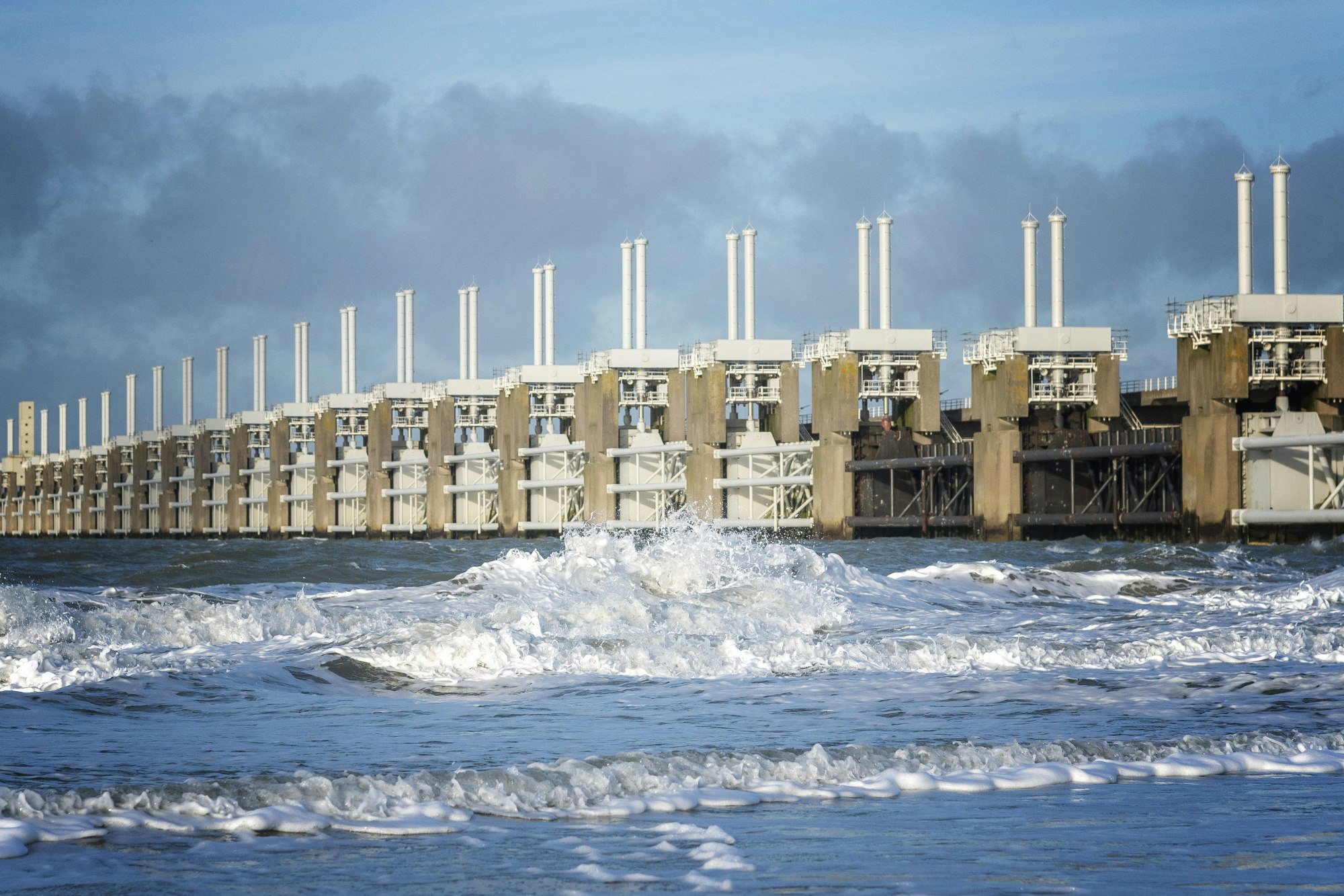
Sharing and building knowledge across borders
Knowledge does not stop at borders, any more than water does. By sharing international experience and solutions in water management, new insights emerge that benefit both Rijkswaterstaat and industry partners.
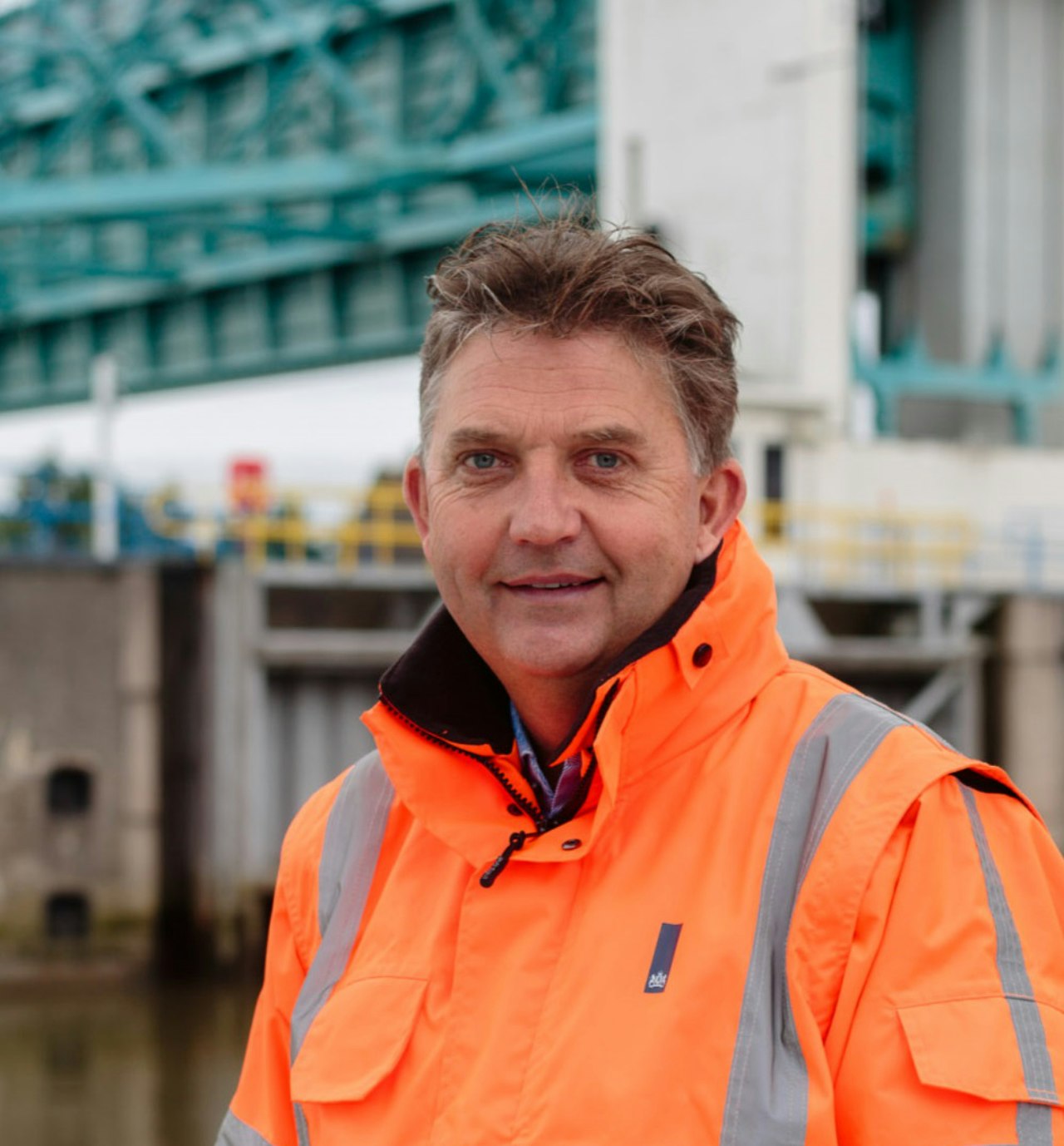
Marc Walraven and Harold van Waveren of Rijkswaterstaat, together with Arno Willems of engineering firm Iv, share their experiences of working internationally. ‘Sharing and acquiring knowledge go hand in hand.’
International collaboration
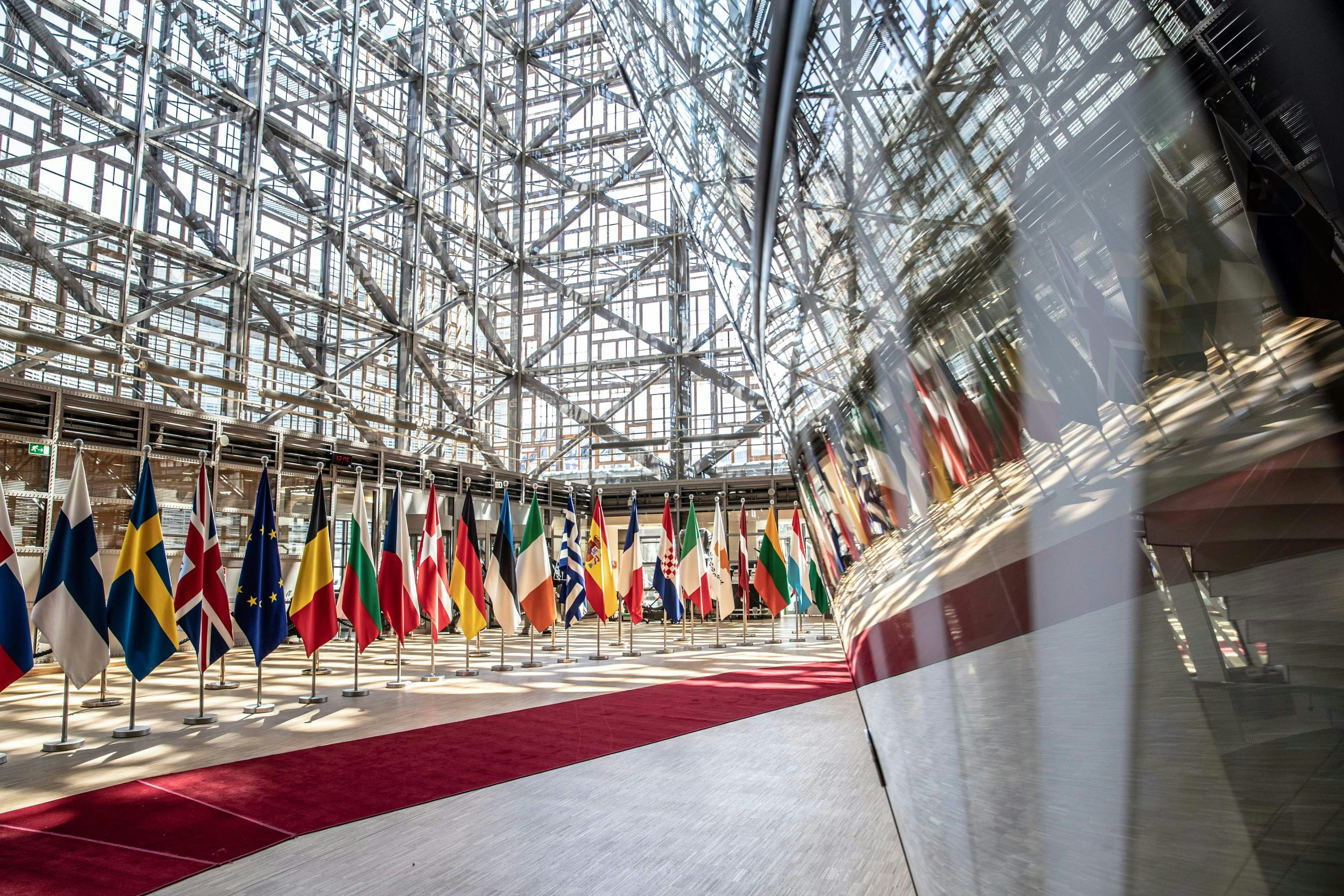
International collaboration is nothing new; it has been an integral part of Rijkswaterstaat’s work since its inception. What has changed over the years is the form that collaboration takes.
Where collaboration was once primarily between governments, industry and knowledge institutes now play an increasingly important role. Common questions lie at the heart of this: how can we keep complex assets safe and available, and how can we learn from one another?
A valuable exchange
Take our storm surge defences, for example. ‘We regularly host delegations from all over the world who come to see our approach and our facilities,’ says Walraven, Rijkswaterstaat’s senior adviser on storm surge defences. ‘What sets us apart is that we’re one of the few countries with 50 to 60 years’ experience in the management, maintenance and operation of storm surge barriers.’
At the same time, many of these barriers were designed and built decades ago.
‘In the Netherlands, we don’t design new defences on a daily basis, whereas this is happening at pace in other countries,’ explains Willems, director of asset management at Iv. ‘There, a great deal of thought goes into designs that take climate change, adaptive strategies and new technologies into account. By being involved in these developments, we expand our own knowledge.’
Van Waveren, senior adviser for water safety at Rijkswaterstaat, also points to the broader value for both Rijkswaterstaat and industry partners. ‘By collaborating with international partners, you gain experience that you cannot always build up in the Netherlands.’ Large-scale floods, for example, are relatively rare here, whereas countries such as England and the United States have experienced them more frequently in recent decades. ‘You learn a great deal from this: how did the dike breach, and what was the underlying failure mechanism?’
The Malamocco effect
This creates a valuable exchange: Dutch practical experience informs designs and maintenance approaches abroad, while insights from those projects feed back into future work in the Netherlands.
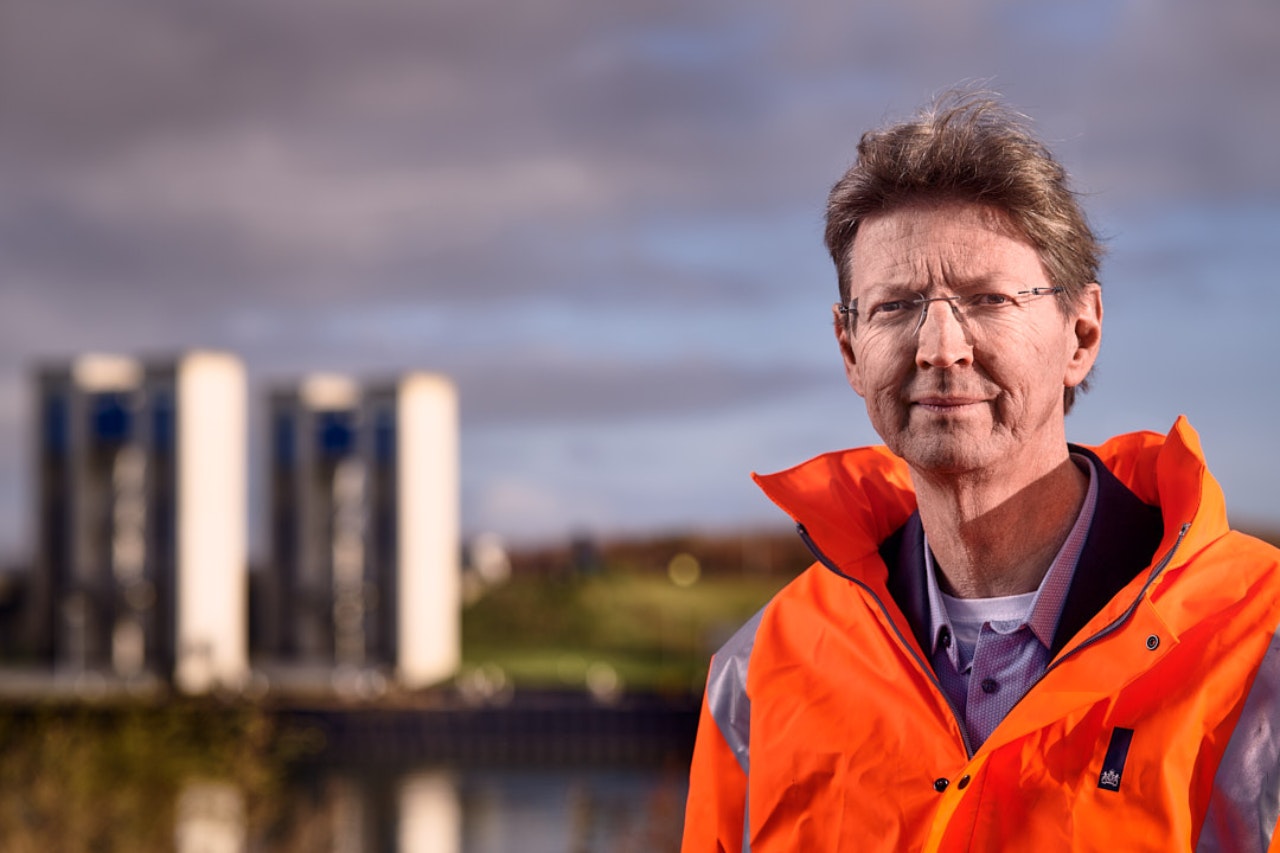
Willems cites the ‘Malamocco effect’ as a concrete example: a specific wave load that had not been anticipated in the design of the Malamocco lock in Venice 20 years ago, but which caused damage to the lock gate in 2015. ‘We brought those insights back to the Netherlands and applied them in the design of the lock gates and movable structures at the IJmuiden sea lock,’ he explains. ‘That’s precisely the value of working internationally: new knowledge that can be directly applied in projects here.’
Unique structures, rare components
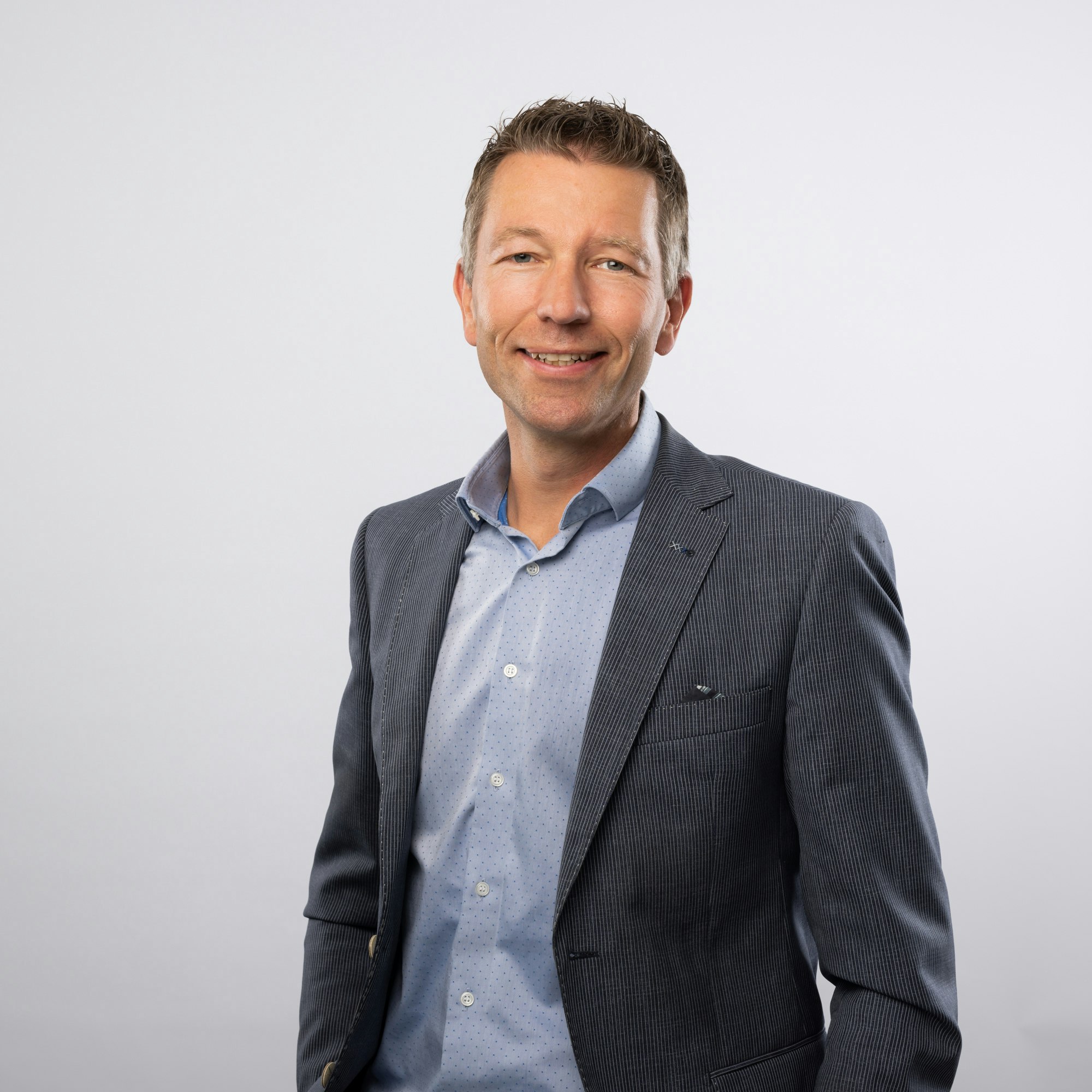
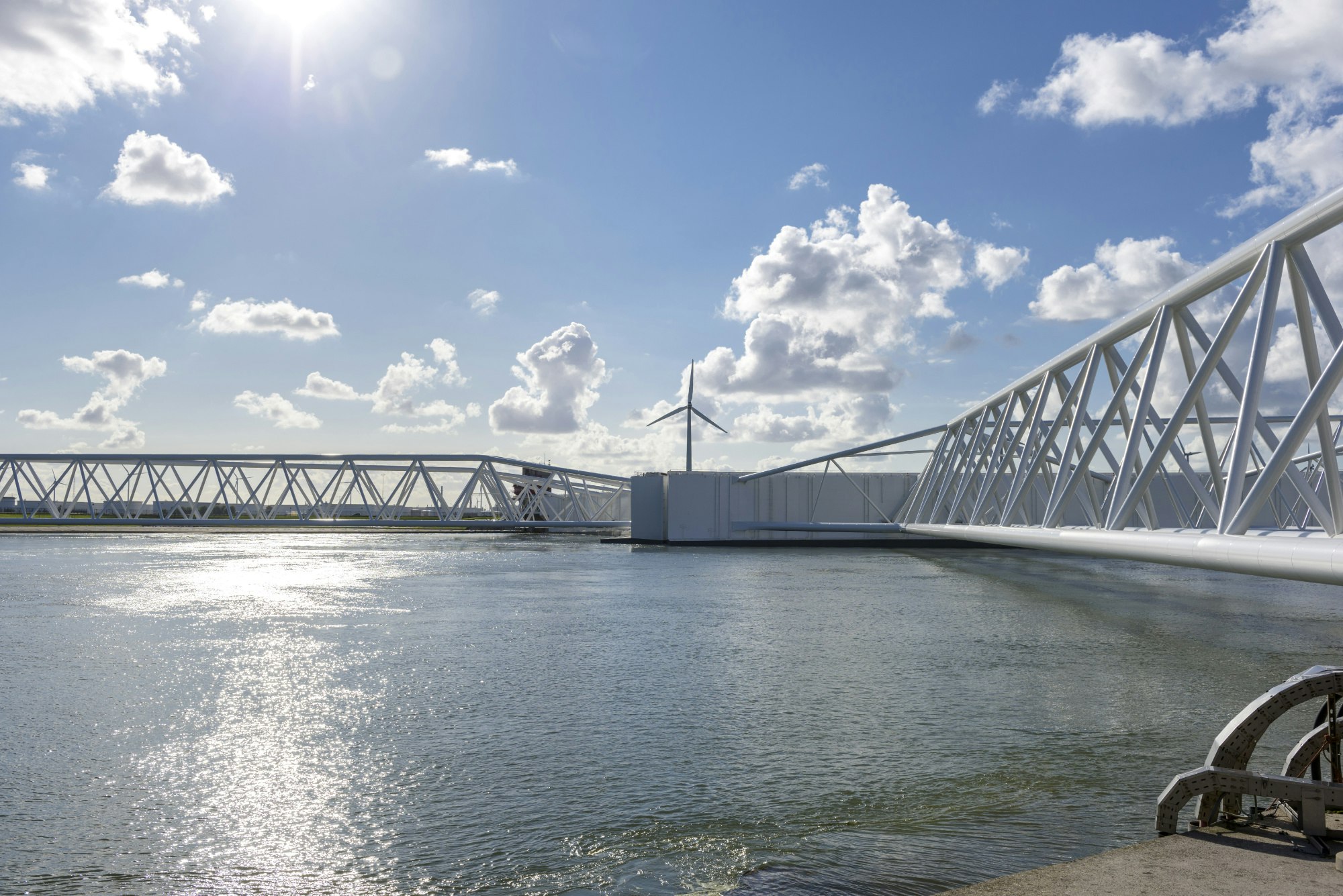
Maintaining storm surge barriers clearly illustrates why international collaboration is essential. Walraven explains: ‘The Netherlands has six storm surge barriers, and no two are the same. They are unique, bespoke structures with components that have been used only once or twice worldwide.’
As a result, there is hardly any market competition: there are no standard components, no major suppliers and no organisations that routinely manage this type of system. ‘This means the responsibility lies with Rijkswaterstaat: we must ensure we have sufficient in-house expertise. Sharing experiences with operators and experts in other countries who deal with similar rare structures and challenges significantly expands our knowledge base.’
This collaboration can sometimes have very practical benefits. For example, the Maeslant barrier is part of the Delta Works in the Nieuwe Waterweg near Hoek van Holland.
Walraven explains: ‘The contractor responsible for maintenance indicated that a component could no longer be ordered in the Netherlands and that we needed to look into how to replace it.’ However, a single phone call to a colleague at the Thames Barrier, including the serial number and description, revealed that the component was simply sitting on their shelf. ‘That saved a lot of money and avoided a time-consuming and uncertain replacement process.’
I-STORM: sharing knowledge openly
An important platform for international collaboration on storm surge defences is I-STORM, a network that has existed for 20 years. Walraven founded it with a British colleague from the Thames Barrier after discussing shared challenges during a work visit to London in 2005. ‘Cybersecurity, working with contractors, knowledge retention and fostering understanding within our own organisations of the complexity of these kinds of assets. That’s when we said: let’s work together.’
What began as accessible knowledge-sharing has grown into an international network, bringing together representatives from governments, companies, research institutes and universities from around the world. Members include the Environment Agency (England), the U.S. Army Corps of Engineers (USA), the Venice Water Authority (Italy), TU Delft and Deltares. Walraven explains: ‘Organisations can become members if they have knowledge and experience with storm surge barriers and are willing to share this openly and informally.’
Within the network, communities focus on disciplines such as civil and mechanical engineering, as well as water-level forecasting. ‘We bring specialists together, organise webinars, and share knowledge and experience around specific issues,’ says Walraven. Willems is also a member on behalf of Iv. ‘In this setting, we all work as equal partners,’ he says. ‘Dilemmas, challenges and vulnerabilities are shared openly, and that really drives knowledge exchange.’
More than a formality
For Walraven, Van Waveren and Willems, international collaboration is clearly not just a formality, but a necessary and promising approach. Walraven says: ‘It’s simply essential for ensuring that storm surge barriers continue to function properly.’
Willems also highlights its value, particularly the perspective it provides on one’s own work. ‘Seeing how others approach things makes you reflect more critically on your own way of working,’ he says. ‘It makes you more aware of what you’re doing and what could be improved.’
Van Waveren emphasises the broader impact: ‘International collaboration helps keep knowledge up to date, improves our understanding of risks and prepares us for future challenges in the Netherlands.’