
Raoul Syrier: ‘We aim to view the North Sea as a single system’
Raoul Syrier is a senior advisor at Rijkswaterstaat, working on site allocation decisions for offshore wind farms in the North Sea. Environmental impact assessments (EIAs) play a central role in this process. ‘When preparing an EIA, we take all spatial aspects into account.’
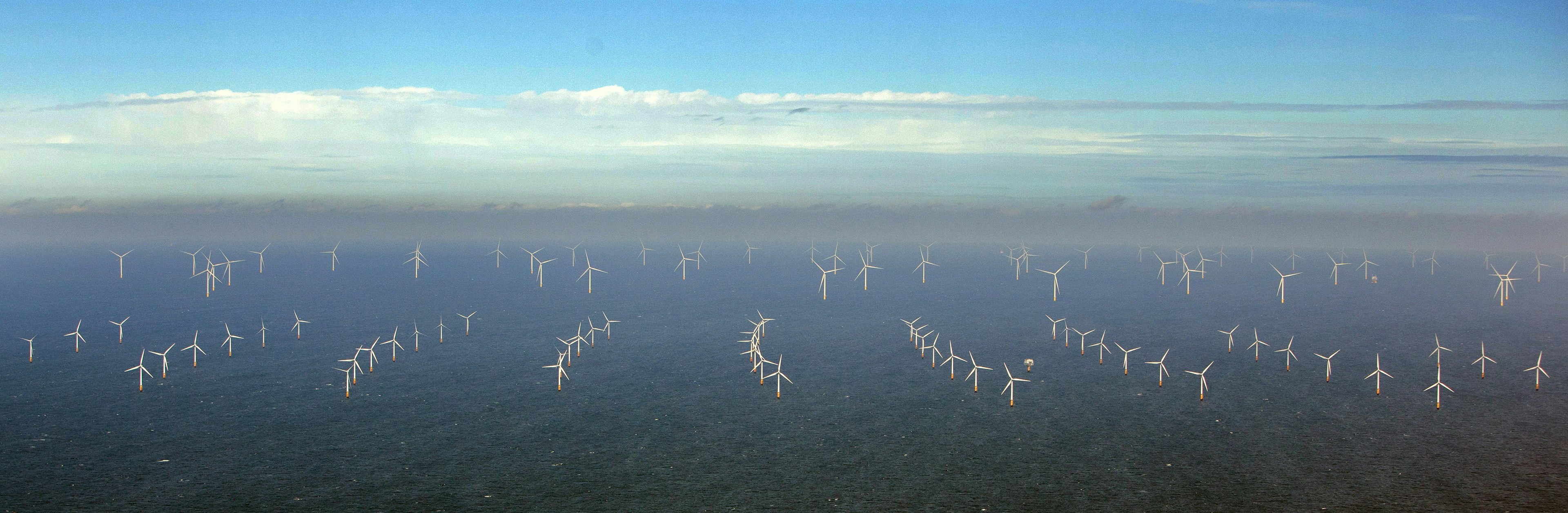
‘A site allocation decision is essentially a form of spatial planning permission for an offshore wind farm. It determines where a wind farm may be built in the North Sea and under what conditions it must be constructed, operated and eventually dismantled. In practice, it sets out almost all spatial requirements for a wind farm. Rijkswaterstaat prepares these decisions on behalf of the Ministry of Economic Affairs and Climate Policy.’
EIA as the foundation for site allocation
‘The EIA is a key element of the site allocation process. A full EIA is required for wind farms with 20 or more turbines; for projects with between 3 and 20 turbines, an EIA screening applies. Before 2024, the Environmental Impact Assessment Decree required a full EIA for 10 or more turbines. Ecology is, of course, a major consideration. We assess the impact of wind farms on life above water – such as birds and bats – as well as below the surface.
‘Marine life includes fish, marine mammals such as porpoises and seals, and benthic ecosystems such as reefs, as well as other small organisms. We also assess impacts on Natura 2000 areas. In addition, we map the effects on other uses, including shipping safety, helicopter access to offshore platforms, fisheries and archaeological sites such as shipwrecks. All these spatial aspects are considered in the EIA.’
Caught between ambition and knowledge
‘One of the main challenges is that our understanding of marine ecology is still evolving. As the number of wind farms increases, both in the Netherlands and in neighbouring countries, it becomes essential to assess cumulative effects: the combined impact of existing and planned wind farms.
‘This is particularly complex when it comes to birds dying after colliding with turbines. On land, you can count carcasses; at sea, they wash away.'
'At the same time, requirements for supporting evidence are becoming more stringent. We are sometimes caught between ambition and knowledge. That is why the government launched the Offshore Wind Energy Ecological Programme (Wozep) in 2016. We use its findings to strengthen our EIA studies.’
Intensive collaboration
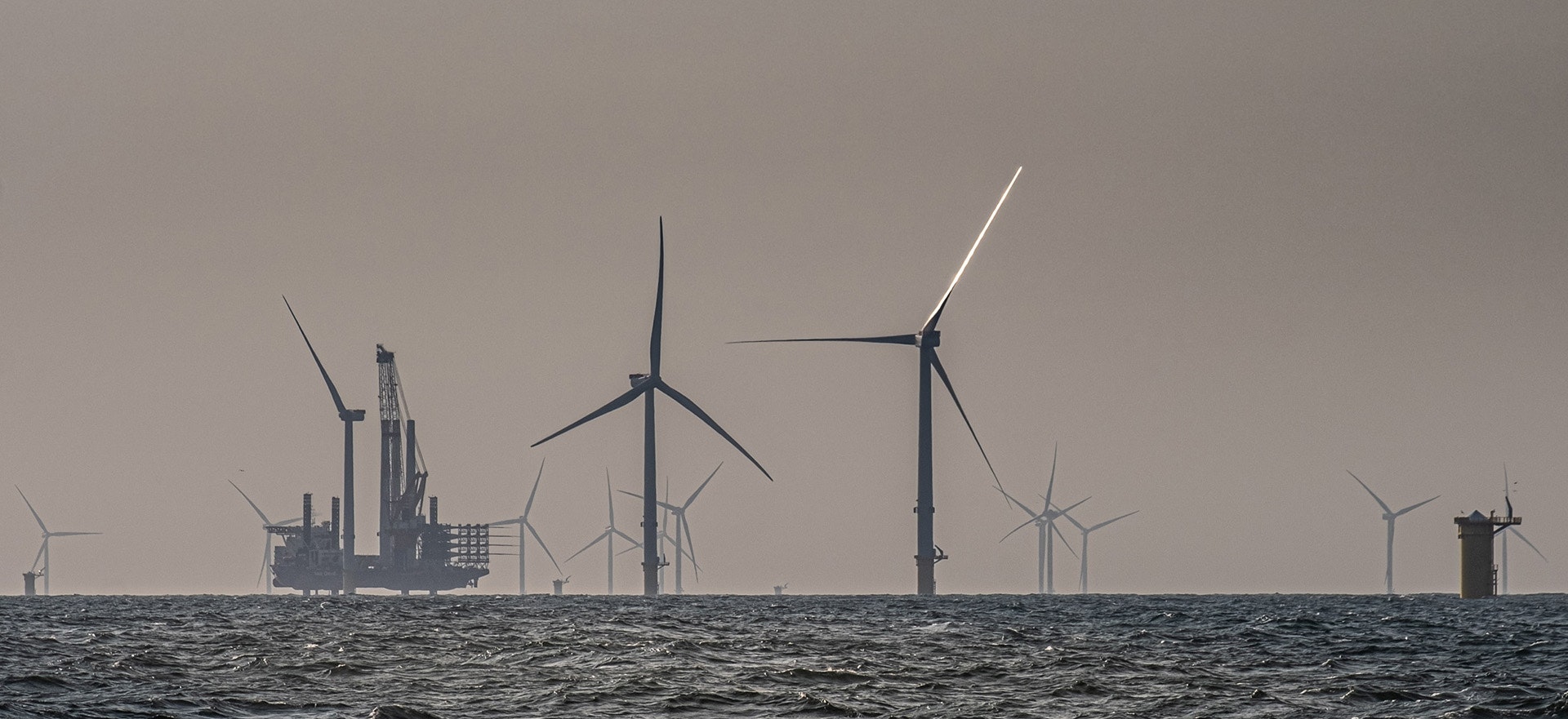
‘Reaching a site allocation decision involves many parties. The Netherlands Enterprise Agency, for example, commissions site investigations into soil conditions, ecology, archaeological values, water depth and wind speeds. The Ministry of Infrastructure and Water Management then commissions the EIA study itself to a consulting agency.
‘At Rijkswaterstaat, we provide substantive guidance throughout the process and coordinate input from all relevant ministries. Together, we prepare the Scope and Level of Detail Memorandum, which defines how the EIA will be conducted.
‘A wide range of disciplines is involved in reviewing the documents, including ecologists, lawyers, archaeologists from the Cultural Heritage Agency, and mining experts from the Ministry of Climate Policy and Green Growth.
'Throughout all these activities, we ensure a clear and appropriate separation between the roles of the project proponent and the competent authority. It is important that this is properly organised, as required under the Environment Decree (Article 11.12) and the European EIA Directive (Article 9a).'
‘We also work closely with neighbouring North Sea countries. After all, they too are developing offshore wind, and ecological systems do not stop at national borders. That is why we try to view the North Sea as a single system wherever possible. We also inform neighbouring countries about potential cross-border impacts. It’s a highly collaborative effort.’
From design to final site decision
‘Once the EIA and supporting studies are complete, we draft a site allocation decision, including an explanatory note. This is submitted not only to the Ministry of Economic Affairs and Climate Policy, but also to the Ministries of Infrastructure and Water Management and of Agriculture, Fisheries, Food Security and Nature. These ministries have the right of consent.
‘If they agree, the draft decision is made available for public consultation. Anyone can submit comments, though in practice most responses come from North Sea stakeholders. This may lead to adjustments to the decision or the underlying EIA. The final decision is then submitted for signature. After adoption, there is still an opportunity to appeal. Once that process is complete, the decision becomes final, and The Netherlands Enterprise Agency can launch the tender for the North Sea wind farm.’
Safeguarding the environment
‘Since 2015, 17 site allocation decisions have been adopted, with an average lead time of 2 to 3 years. We are currently working on 9 more under the existing roadmap. At the same time, the new government aims to expand offshore wind capacity to 40 gigawatts by 2040. That calls for both speed and careful consideration.
‘We operate in a complex environment, with many competing interests and evolving knowledge. That is precisely why the EIA is so important: it forces us to assess impacts carefully and make balanced decisions.'
'As a team, we also completed a tailored EIA training course through the Information Point for the Living Environment (IPLO), covering topics such as alternatives analysis, cross-border obligations and the role of EIAs in decision-making. This has helped us develop a shared approach and better address international requirements.
‘Ultimately, our goal is to advance the energy transition at sea while safeguarding the environment, both nationally and internationally.’