Project NAPSEA: joining forces to improve water quality in Germany and the Netherlands
How to improve water quality in our rivers and seas was the central question in the NAPSEA project, that was finalized in September 2025. The purpose of this project was to evaluate the effectiveness of nitrogen and phosphorus load reduction measures from source to (Wadden) sea, considering the effects of climate change.
Why is this important?
The Wadden Sea is the largest unbroken tidal flats system in the world. This sea is influenced by several rivers, notably the Elbe and the Rhine, and the catchment area of the latter expands over large parts of the Netherlands and Germany.
A much smaller catchment area (Hunze) was also studied. While (legal) frameworks for water quality management and international collaboration are in place, the implementation is challenging, even more so because of the impacts of climate change.
Nutrient reduction measures, in particular concerning nitrogen, are a (politically) sensitive topic, both in Germany and the Netherlands. Therefore, strengthening collaboration and knowledge exchange is crucial.
What did NAPSEA aim to achieve?
The central aims of the project were to support national (Rijkswaterstaat) and local (Water boards) authorities in:
- selecting effective nutrient load reduction measures
- gaining political support for their implementation
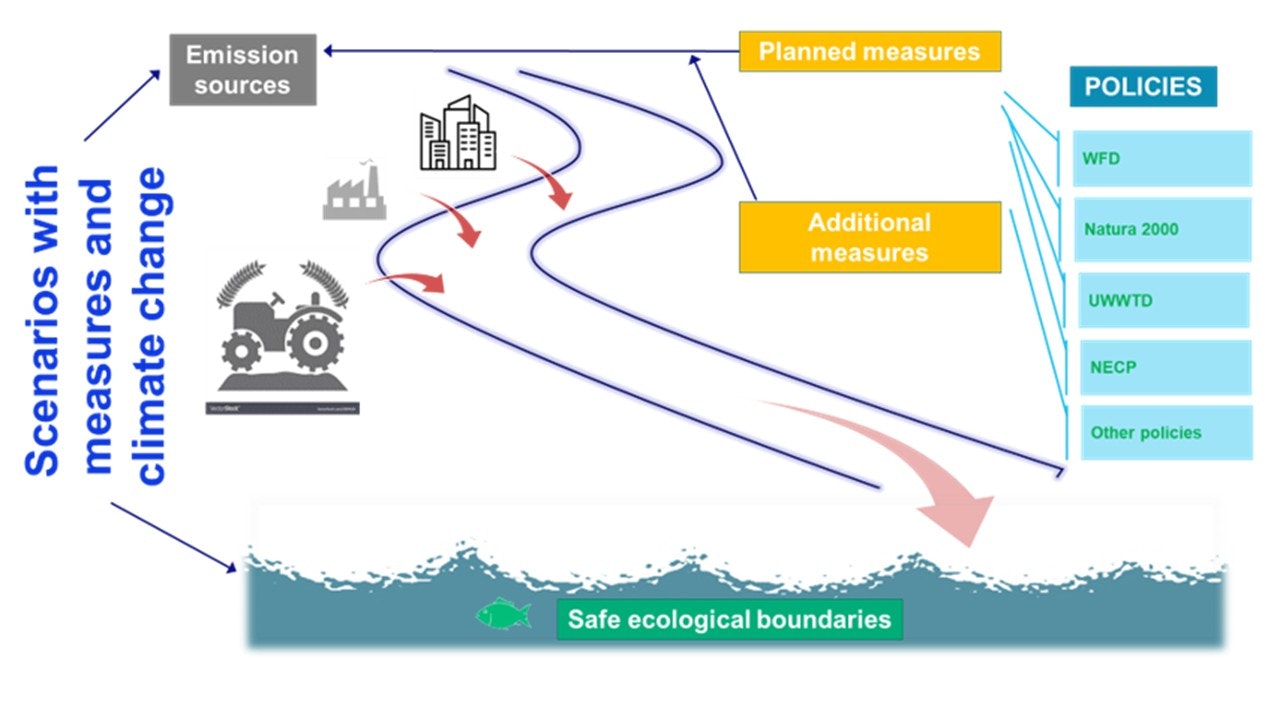
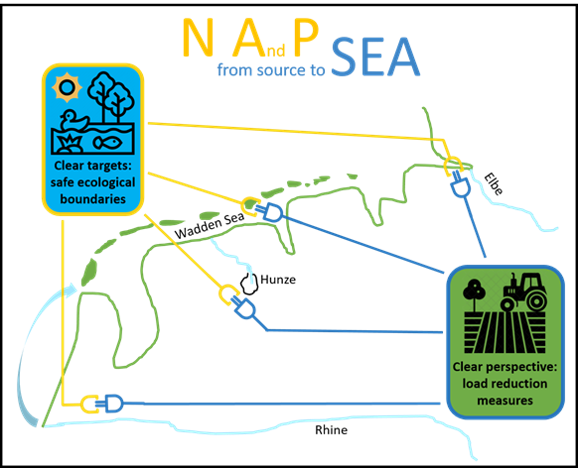
NAPSEA used an integrated approach to address nutrient pollution from source to sea, combining three complementary perspectives (figure 1):
- governance
- nutrient pathways & measures
- ecosystem health
Ecosystem health perspective
Water quality objectives from source to sea are not consistent at the operational level, both between legal frameworks (Water framework directive and Marine strategy framework directive) and between countries. Indicators are quite technical and less appealing to the broader community.
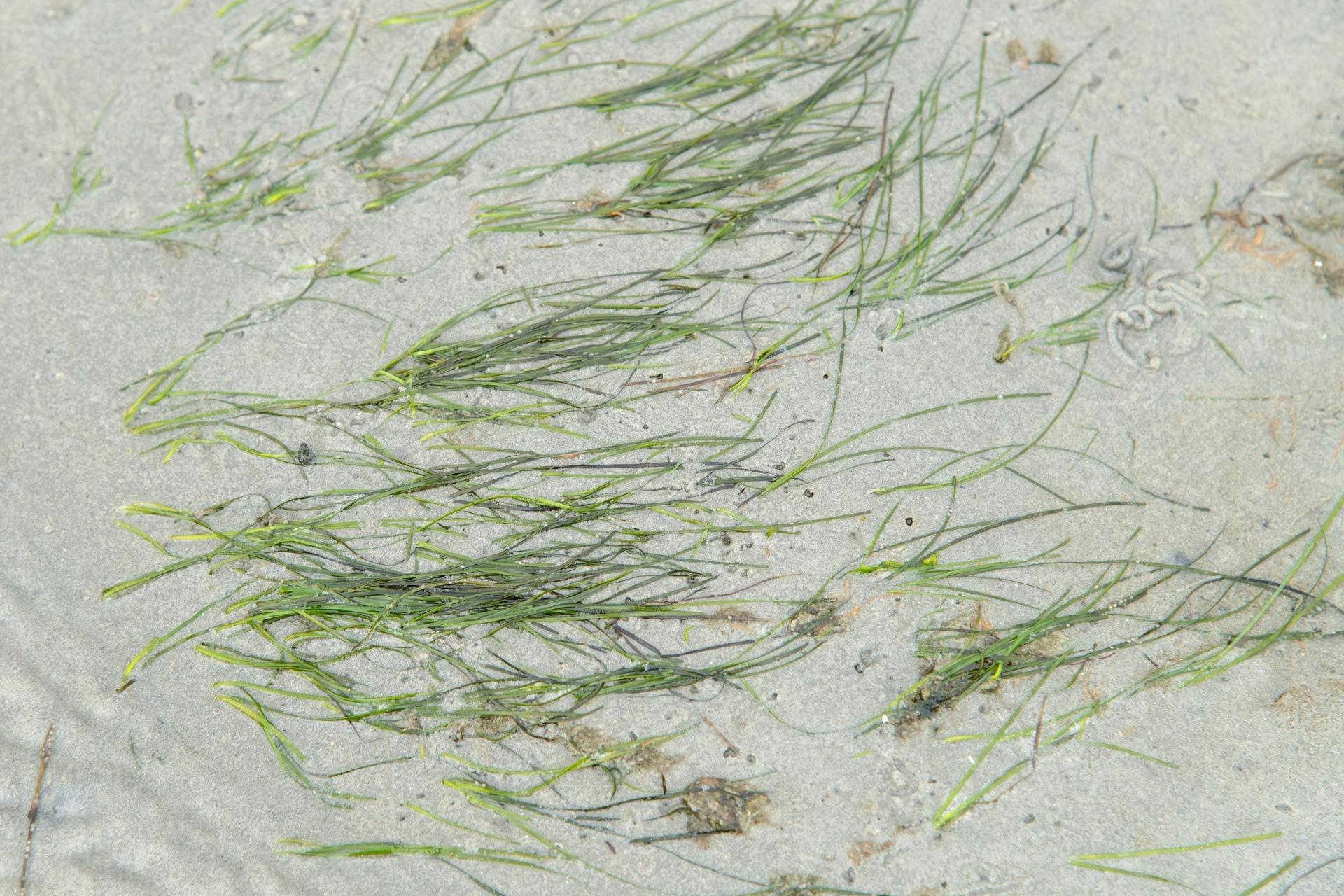
Therefore, the project proposes alternative indicators and objectives, i.e. recovery of seagrass in the Wadden Sea (figure 2) and submerged vegetation in Zuidlaardermeer. These highly valuated habitats, in terms of biodiversity, benefit from reducing nutrient pollution.
Pathways and measures perspective
The project applied models describing nutrient pathways from source to sea. To support effective nutrient reduction measures and improve seagrass meadows and submerged vegetation, scenarios were developed for the Rhine, Elbe and Hunze catchments (figure 3) under moderate climate change conditions by 2050.
Measures to reduce inputs and transport of nutrients were considered. Current nutrient reduction policies appeared to be insufficient to achieve safe ecological boundaries in the Rhine and Elbe catchments. Climate change leads to considerable changes in river flows and thereby nutrient loads to downstream ecosystems.
Significant steps are needed beyond the planned interventions:
- reducing nutrient inputs from agriculture, wastewater and atmospheric sources
- combined with nature-based solutions
Governance and social acceptance perspective
Although the policy framework is well aligned at the European level, local implementation and monitoring are fragmented. Many actors are involved. The Source-to-Sea approach and the link between marine and inland waters policy frameworks should be strengthened. Establishing a cross-border nutrient management task force focused on the Wadden Sea could help.
As part of the project, the social acceptance of nutrient reduction measures, such as reduction of livestock intensity, stricter fertilization management and use of buffer strips, was assessed from the citizens’ and farmers’ perspectives.
Both citizens and farmers acknowledge the risks of eutrophication, especially for biodiversity and future generations. Citizens are generally in favour of the measures, notably the use of buffer strips. Farmers mentioned the following enabling factors for socially acceptable nutrient reduction policies:
- fairer subsidies
- long-term planning security
- advisory support
- stronger cooperation across sectors
The findings underscore the importance of bridging the gap between public expectations and the reality of farmers.
Importance for Rijkswaterstaat and the Ministry of Infrastructure and Water Management
Inconsistencies in nutrient objectives in marine and inland waters have been on the agenda for several years. The project clarifies where Dutch and German implementation of EU policies differ, while at the same time our countries depend on each other’s measures.
The project’s results contribute to further collaboration and highlight the importance of designing effective and coherent measures to achieve the ecological objectives in the areas studied.
About
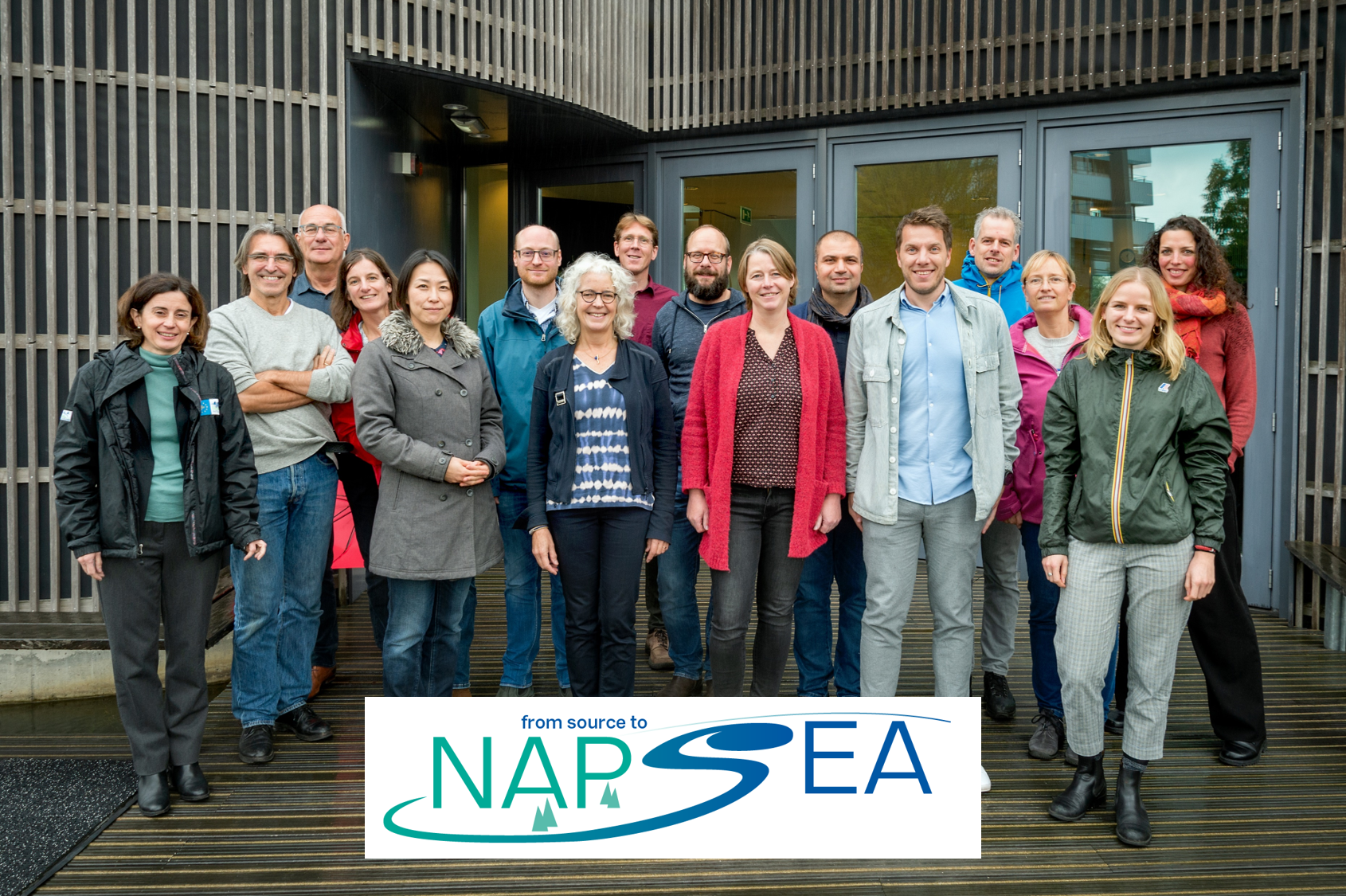
The NAPSEA project spanned 3 years and was completed in September 2025. It was funded by Horizon Europe and coordinated by Deltares. The consortium further included two Dutch, three German and one Austrian partners. Two partners were competent authorities: Rijkswaterstaat and Umwelt Bundesamt.