
Danish EIA education: strong link to practice
Danish EIA (Environmental Impact Assessment) education at Aalborg University is strongly linked to practice. Students gain experience through projects and internships, while experts from the field contribute to courses. Professor Lone Kørnøv and university senior lecturer Ivar Lyhne: 'It’s important for students to discover the role they can play.'
Aalborg University
In 2014, the revision of the European EIA (Environmental Impact Assessment) guideline for projects in Denmark gave rise to a national debate. People who fulfil different roles in the EIA world discussed the content of the modified frameworks. For example, how could they safeguard the expertise of those who prepare and evaluate environmental impact assessments?
Instead of choosing the Dutch model in which the competent authority can or is required to involve the Commission in the assessment, they invested in developing expertise at the front end, namely in education.
Advice from the Netherlands Commission for Environmental Assessment is required in the Netherlands when verifying an environmental impact assessment for plans and programmes. When it comes to projects, the competent authority can choose to request an assessment.
University initiative
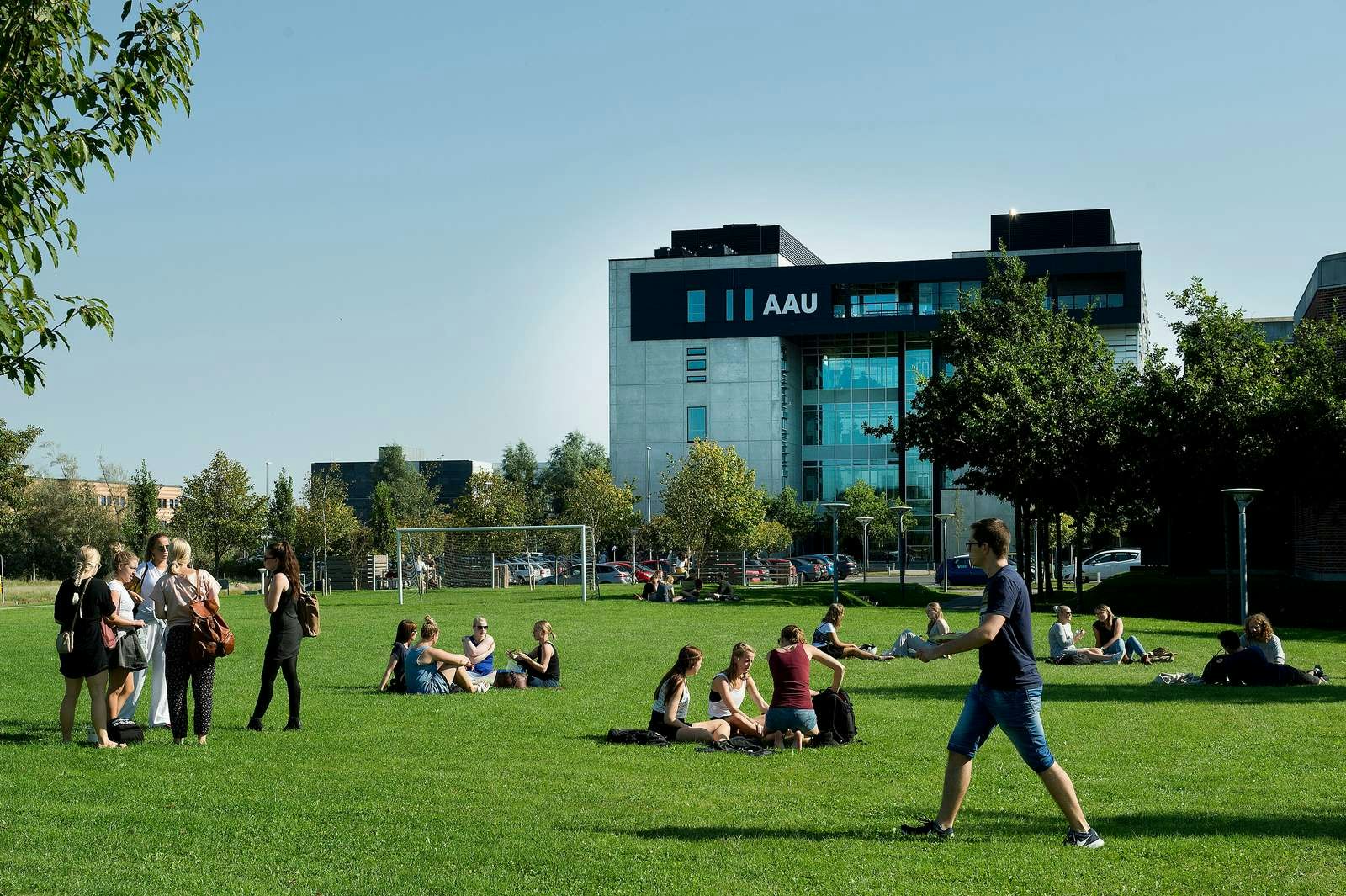
Aalborg University took the initiative to stimulate EIA education through the research group Danish Center for Environmental Assessment (DCEA), affiliated with the Department of Sustainability and Planning, which is fully focused on impact assessments, including EIA.
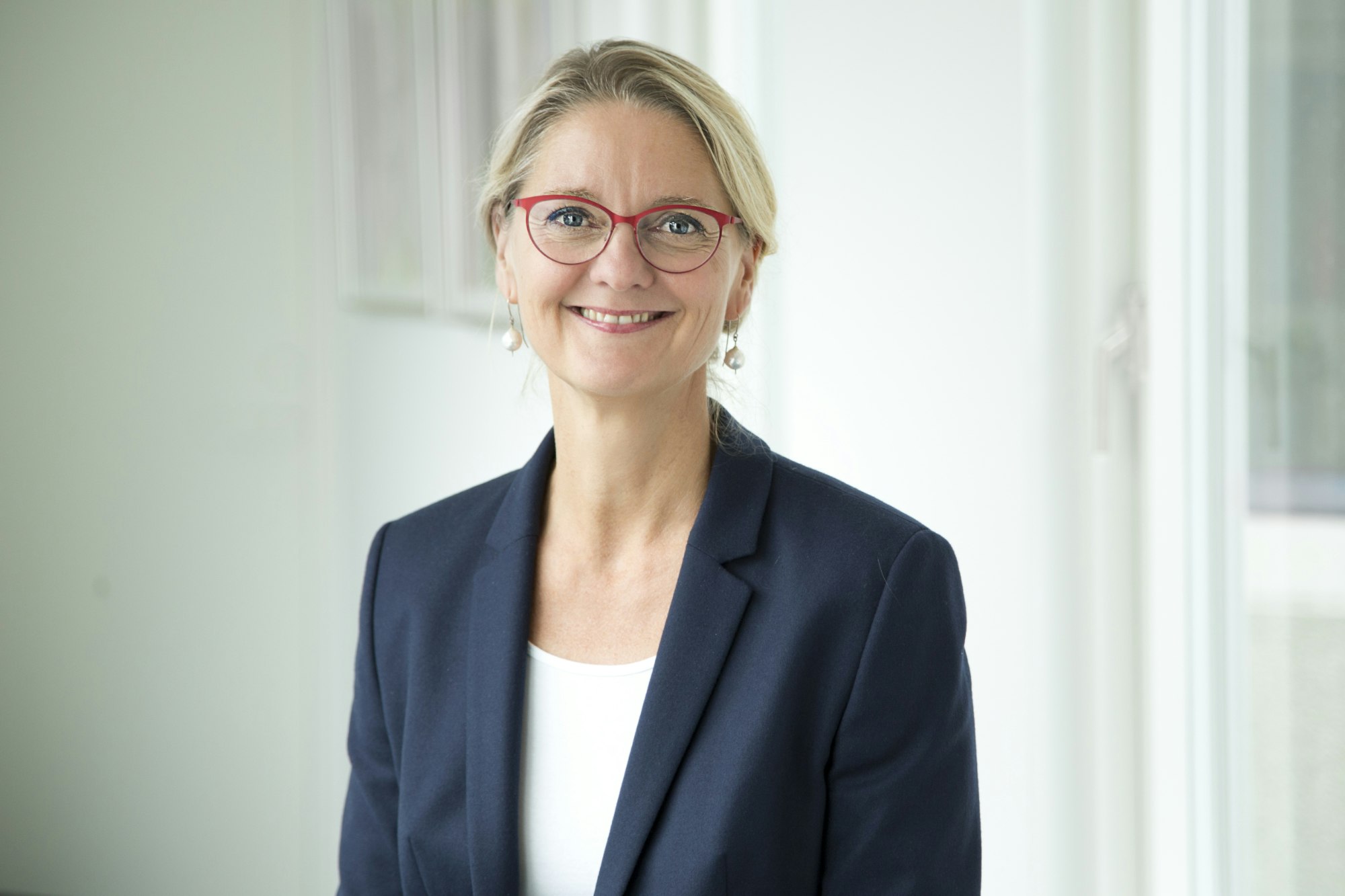
'We have achieved a balance between education and research,' emphasises Professor Lone Kørnøv, head of the DCEA. 'We divide our time between research, teaching and supervising students of the Engineering in Urban, Energy and Environmental Planning programme. Internal motivation makes all the difference. In the academic world, there is excessive emphasis on publishing, also in terms of funding, which puts pressure on the teaching aspect – while instruction is essential for teaching young people about the profession.'
Problem-driven education
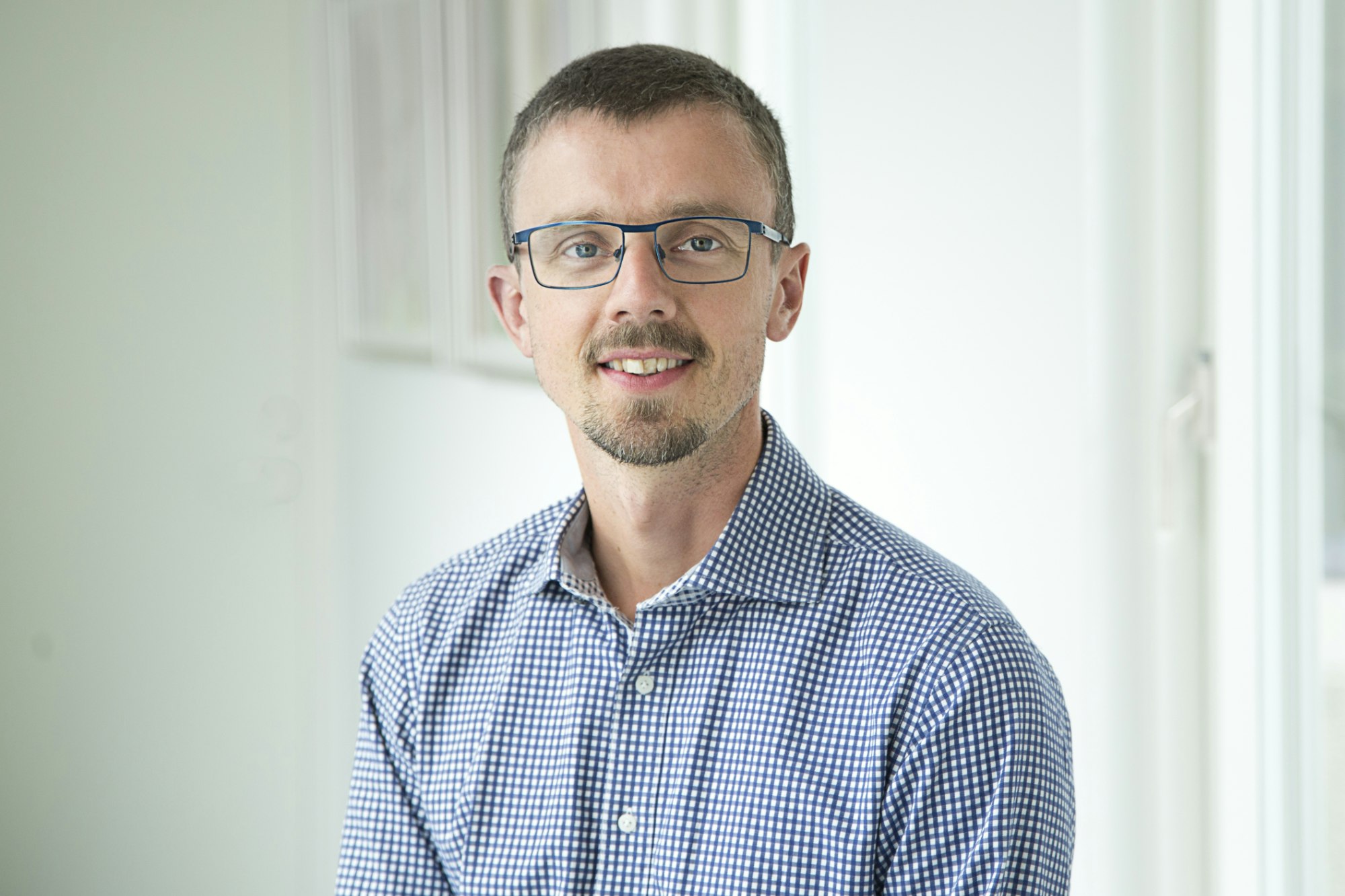
'Aalborg University places considerable emphasis on practical teaching,' adds university senior lecturer Ivan Lyhne. 'Every semester, students spend half their time taking courses. There is a specific EIA course in both the Bachelor’s and Master’s programmes. The other half of their time is spent working on a group project. This structure forms the core of the university’s problem-driven education. Students work together to formulate a problem and then together find solutions for it.'
'These problems align very closely with actual problems in the real world. Graduate students do four such projects. They can be entirely separate projects, but also offer the opportunity for specialisation. Some students, for example, choose to have all projects relate to EIA. They then spend two years working on these projects.'
Ties to the professional field
Close ties to the professional field reinforce this practice-oriented approach. Lyhne explains, 'We know around 70% of the EIA network in Denmark, from law firms and engineering firms to grid operators and municipalities. It also benefits organisations to maintain that relationship and, for example, create internships. This allows them to get to know and evaluate students over the course of three to four months. In many cases, they end up offering them a job afterwards before the graduates have even started applying for positions.'
'Conversely, people from various organisations give guest lectures on their specific area of expertise. This also reflects the multidisciplinary nature of the approach: from law and environmental science to sociology, decision-making and data analysis.'
Acquiring expertise
'Naturally, students have to acquire knowledge, but the ultimate goal is primarily skills and expertise,' believes Kørnøv. 'It is important that they gain experience with EIA, learn to understand the context and critically reflect on it: that they understand the role it plays in decision-making and do not simply observe, but discover the role that they can play personally to ensure that EIA has a genuine impact.'
Lyhne adds, 'According to members of the employers’ council affiliated with our programme, new employees gradually learn about the exact legislation and procedures after being hired. What matters most is that they are familiar with the tool and know how to apply it critically in practice.'
Continuing education
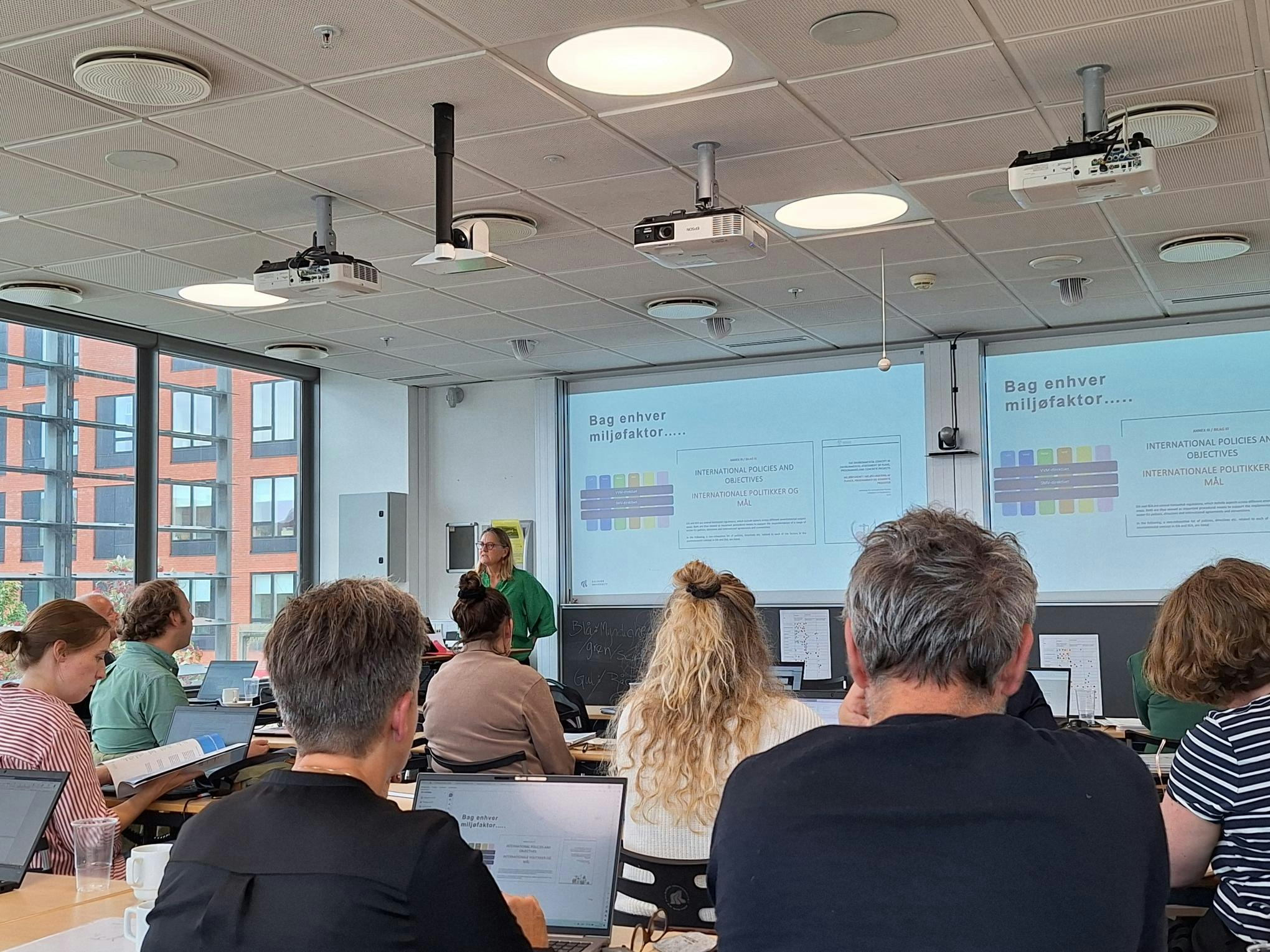
To safeguard as much expertise as possible and to meet the tremendous need for capacity and skills in practice, the DECA also offers continuing education to those already in the profession. These include an EIA project course and EIA plan course. Participants are government employees, developers and consultants, who together comprise a diverse and practice-oriented learning environment.
'That is extremely important,' says Kørnøv. 'Not only do they acquire new knowledge, but also share experiences and have the opportunity to develop insights from different perspectives.' Lyhne adds, 'The courses are certified by the Ministry of Education and Research and half are given by researchers and the other half by professional experts.'
Network strengthening: EIA Day
The DCEA also plays a role in strengthening the EIA network. Another good example of this is the organisation of an annual Danish IEA Day. Kørnøv explains, 'This year, we brought together around 350 people from a wide variety of professions. People get to know each other here and we also gain new insight into the challenges currently faced in the field. This in turn lets us tailor our educational programme to actual needs.'
Opportunity: exchange programme
The network also extends beyond the country’s borders. Lyhne explains, 'We also have excellent EIA experts in the Netherlands, but there is no educational and teaching collaboration yet. The most logical step in that direction is the Erasmus+ exchange programme for teaching staff. We’ve had exchanges, for instance, with lecturers from Portugal and Austria. So, the opportunity is definitely there. Dutch lecturers are more than welcome!'